
WordPress Website Design Secrets Revealed: What Experts Don't Want You to Know (2026 Edition)
- Shalena Ward

- Dec 30, 2025
- 5 min read
You've been staring at your WordPress site for weeks, wondering why it looks like it was designed in 2019 while your competitors are crushing it with sleek, modern designs that seem to know exactly what their visitors want.
Here's the thing – there aren't really "secrets" that experts are hiding from you. What's actually happening is that WordPress design has evolved dramatically in 2026, and most business owners are still playing catch-up with outdated approaches.
Today, I'm excited to share what's actually working right now in WordPress design, straight from the trenches of what we're seeing convert like crazy for our clients.
AI Is Running the Show (And You Should Let It)
Let's start with the biggest game-changer: AI isn't just writing your content anymore – it's designing your entire user experience in real-time.
The WordPress sites that are absolutely crushing it in 2026 are using AI-powered personalization that adapts to each visitor. We're talking about layouts that shift based on how someone found your site, content blocks that rearrange themselves based on user behavior, and calls-to-action that literally change based on what the system learns about each visitor.
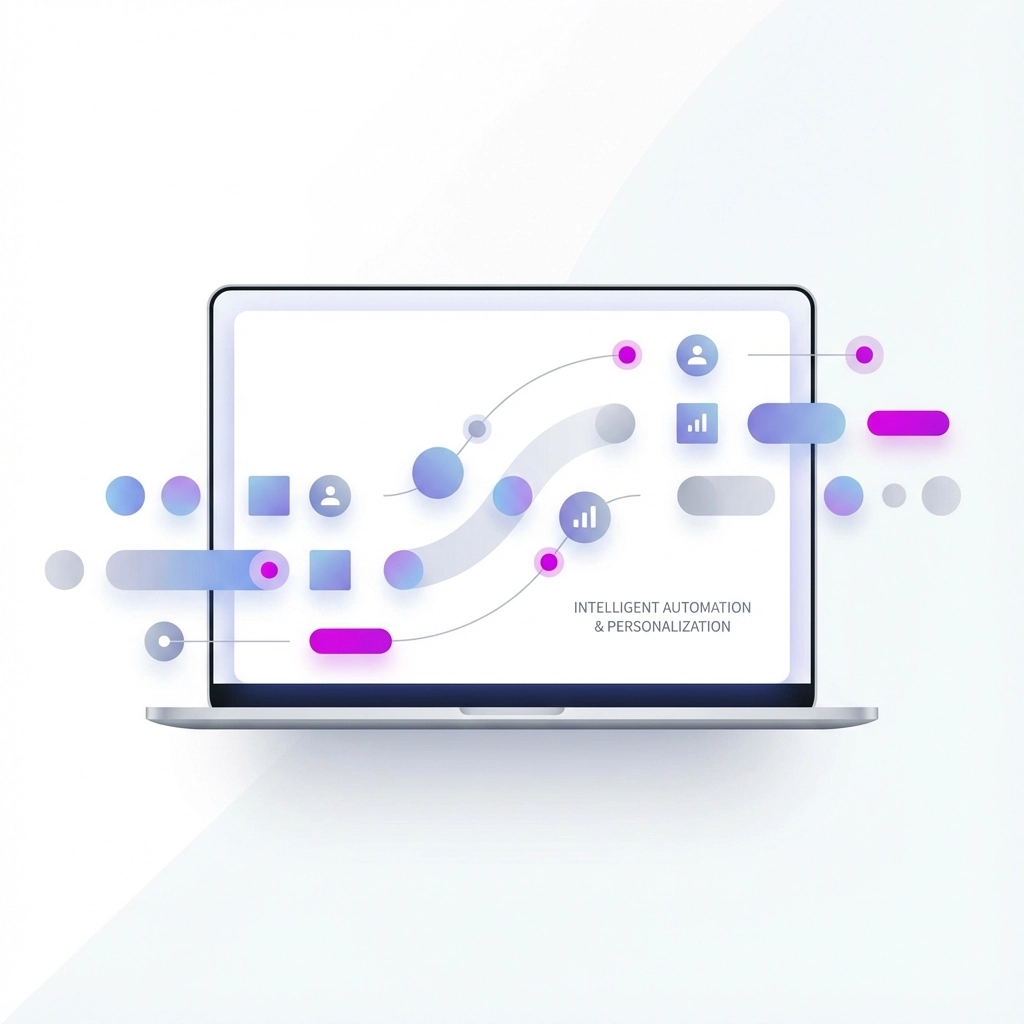
Here's what this looks like in practice: when someone lands on your homepage from a Google search about "digital marketing services," the AI might emphasize your service portfolio and client testimonials. But if they came from a blog post about DIY marketing, it might highlight your educational resources and free tools instead.
The crazy part? You don't need to be a developer to set this up. Tools like PersonalizeWP and Smart Content blocks are making this accessible to anyone willing to spend an afternoon learning the basics.
Full-Site Editing Is Finally Worth Your Time
Remember when everyone said Gutenberg was going to change everything, but it felt clunky and limited? Well, 2026 is the year it finally delivered on those promises.
The full-site editing experience now lets you design every single part of your website – headers, footers, archive pages, even your 404 error page – using the same block editor you're already familiar with. But here's where most people mess this up: they treat it like the old page builders and try to recreate their existing design pixel-by-pixel.
Instead, successful sites are embracing the modular approach. They're creating reusable block patterns that maintain consistency across their entire site while giving them the flexibility to adapt quickly.
Here's a practical example: create a "testimonial section" block pattern that includes your standard layout, typography, and spacing. Now you can drop that same pattern onto any page and just swap out the content. When you want to update the design, you change it once and it updates everywhere.
Micro-Interactions Are Making Websites Feel Alive
Your website should feel responsive and engaging, not like a digital brochure that just sits there. The sites that are winning in 2026 are using micro-interactions – those small animations and feedback responses that make everything feel more interactive.

We're talking about buttons that give subtle feedback when you hover over them, images that gently zoom when they come into view, progress bars that actually show progress, and form fields that guide users through completion.
But here's the key: these interactions need to serve a purpose, not just look cool. A hover effect on your pricing cards should help users compare options. A loading animation should actually communicate progress, not just spin endlessly.
The best part? Most of these can be added with simple CSS animations or lightweight plugins like Lottie animations. You don't need to rebuild your entire site.
Performance Isn't Optional Anymore
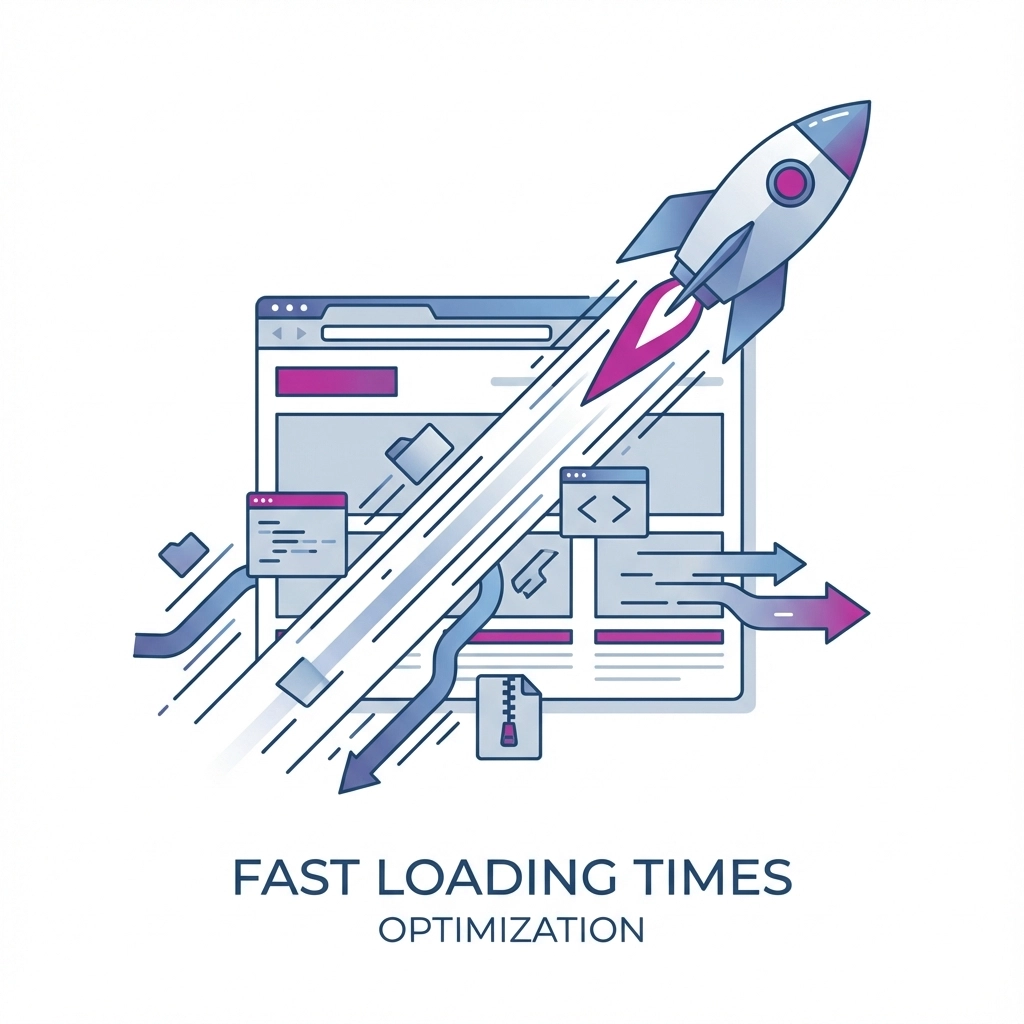
Google's gotten ruthless about site speed, and users have gotten even more impatient. If your WordPress site isn't loading in under 2 seconds, you're losing visitors before they even see your amazing content.
The winning approach in 2026 is building performance optimization into your design process from day one, not trying to fix it afterward. This means:
Choosing themes that prioritize speed over features. That theme with 47 built-in page layouts might seem appealing, but it's probably loading code for features you'll never use.
Using next-gen image formats. WebP and AVIF images can cut your file sizes in half without any visible quality loss. WordPress now handles these conversions automatically if you're using the right hosting setup.
Implementing smart caching strategies. Object caching, page caching, and CDN integration aren't just for enterprise sites anymore. Most quality hosting providers include these features, you just need to turn them on.
Design Philosophy Has Gone Minimal (But Not Boring)
The websites that are converting best in 2026 have embraced what we're calling "intentional minimalism." It's not about removing everything – it's about being deliberate with every element that makes it onto your page.
Every section, every image, every piece of text should have a clear purpose in guiding your visitor toward taking action. If something doesn't actively help your user accomplish their goal, it needs to go.
This doesn't mean boring. The most successful sites are using:
Strategic white space that guides attention to what matters most Bold typography that creates hierarchy and emotion Purposeful color choices that reinforce your brand and guide actions High-quality imagery that supports your message instead of just filling space
Dark mode isn't just trendy anymore – it's expected. About 60% of users prefer dark interfaces, especially for evening browsing. Make sure your design works beautifully in both light and dark modes.
Mobile-First Isn't a Suggestion
Here's something that might shock you: over 70% of your website traffic is probably coming from mobile devices right now. But most WordPress sites are still designed on desktop and then "adapted" for mobile.
The sites that are dominating in 2026 are designed mobile-first. Every layout decision, every content choice, every interaction is optimized for the smallest screen first, then enhanced for larger displays.
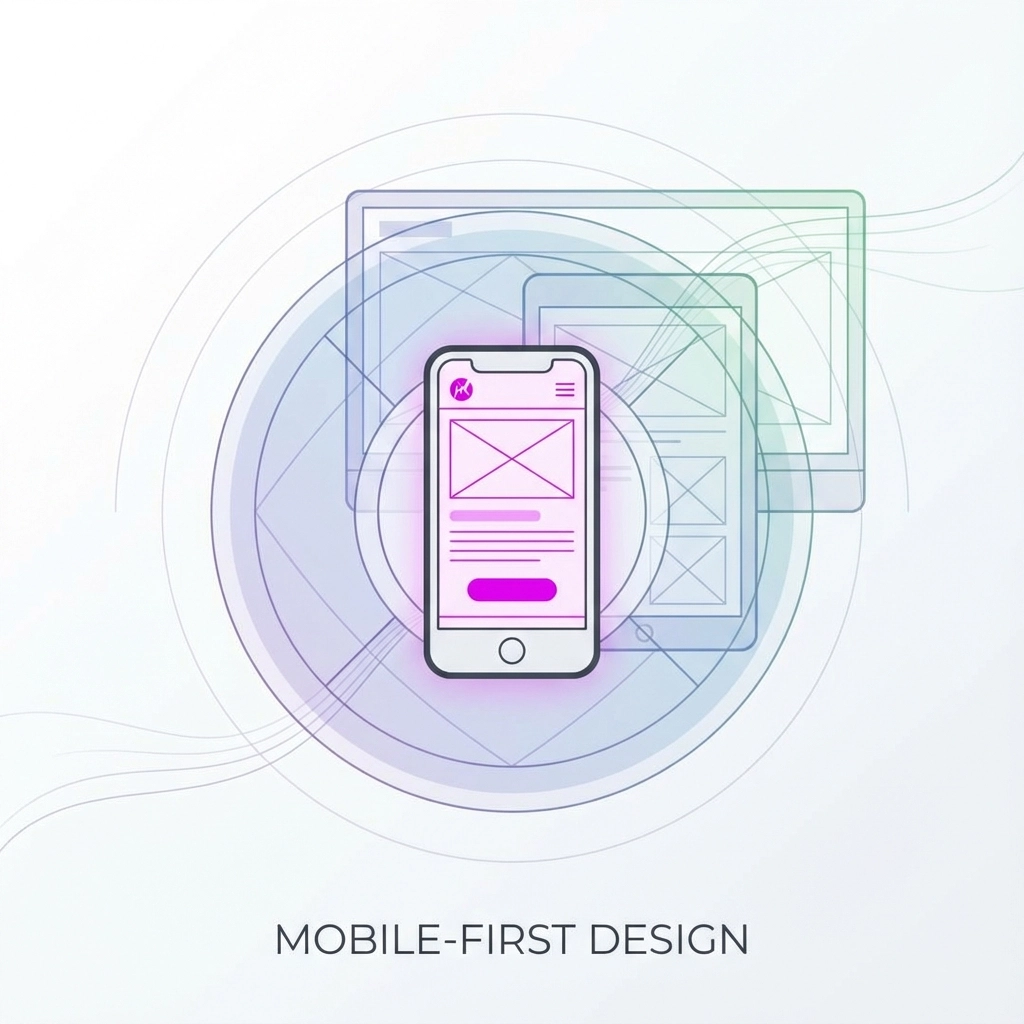
This means thinking about thumb-friendly navigation, readable typography at small sizes, and touch-optimized interactive elements. Your mobile experience shouldn't be a cramped version of your desktop site – it should be the perfect version for mobile users.
Security Is Part of the Design Process
Website security used to be an IT afterthought. In 2026, it's a core part of the user experience design. Sites that feel secure convert better, period.
This means SSL certificates (obviously), but it also means designing trust signals into your user interface. Clear privacy policies, visible security badges, transparent data handling, and intuitive account management all contribute to a feeling of safety that directly impacts conversions.
Two-factor authentication, secure login forms, and regular security updates aren't just protecting your site – they're protecting your reputation and your users' confidence in your business.
The Real Secret? There Isn't One
The actual "secret" that experts aren't hiding is that great WordPress design in 2026 comes down to understanding your users and being willing to evolve with the platform.
WordPress has become incredibly powerful, but that power comes with choices. The sites that win are the ones that make intentional decisions based on their specific goals and their specific audience, not just following the latest trends or copying their competitors.
Start with one of these strategies – maybe AI personalization or performance optimization – and implement it well before moving on to the next. Your users will notice the difference, and your conversion rates will thank you for it.
Want to see how these strategies could work for your specific business? Check out our portfolio to see real examples of WordPress sites that are crushing it in 2026, or explore our design services if you're ready to stop playing catch-up and start leading the pack.
Comments