
Are Expensive Marketing Services Dead? Do Small Businesses Still Need Big Budgets? (2026 Edition)
- Shalena Ward

- Dec 29, 2025
- 4 min read
You're staring at your marketing budget again, aren't you? That familiar knot in your stomach forms as you wonder if you're throwing money into a black hole. Maybe you've been burned by expensive agencies that promised the moon but delivered... well, not much. Or perhaps you're doing everything in-house and wondering why your competitors seem to be everywhere while you're barely visible.
Here's the thing: expensive marketing services aren't dead, but the old way of thinking about them absolutely is.
The Real Truth About "Expensive" Marketing
Let me hit you with something that might surprise you. The problem isn't that marketing costs too much. The problem is that most businesses are doing it completely wrong.
Research shows that half of all marketing plans are actually underinvested by about 50%. Yeah, you read that right. While you're worried about spending too much, most businesses aren't spending enough on the right things. When companies properly fund their marketing efforts, they see a 50% improvement in ROI.
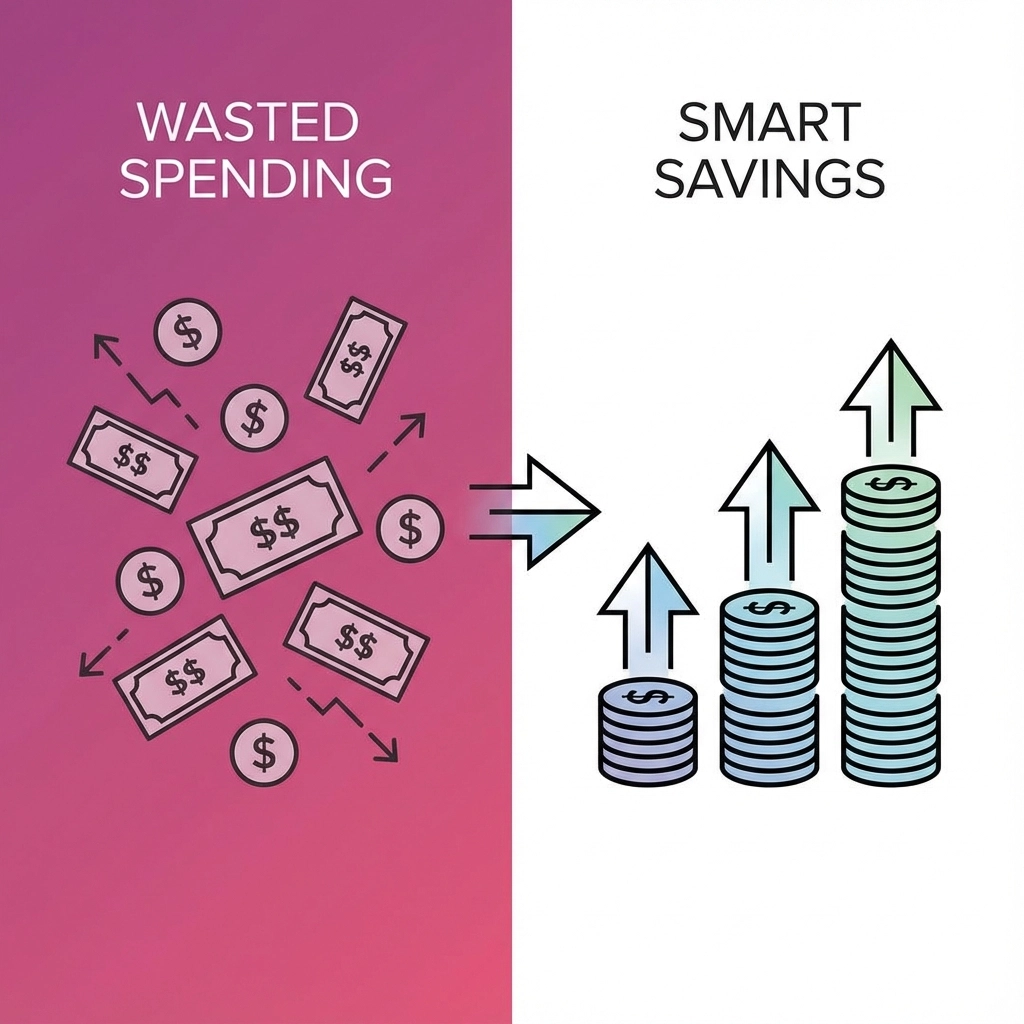
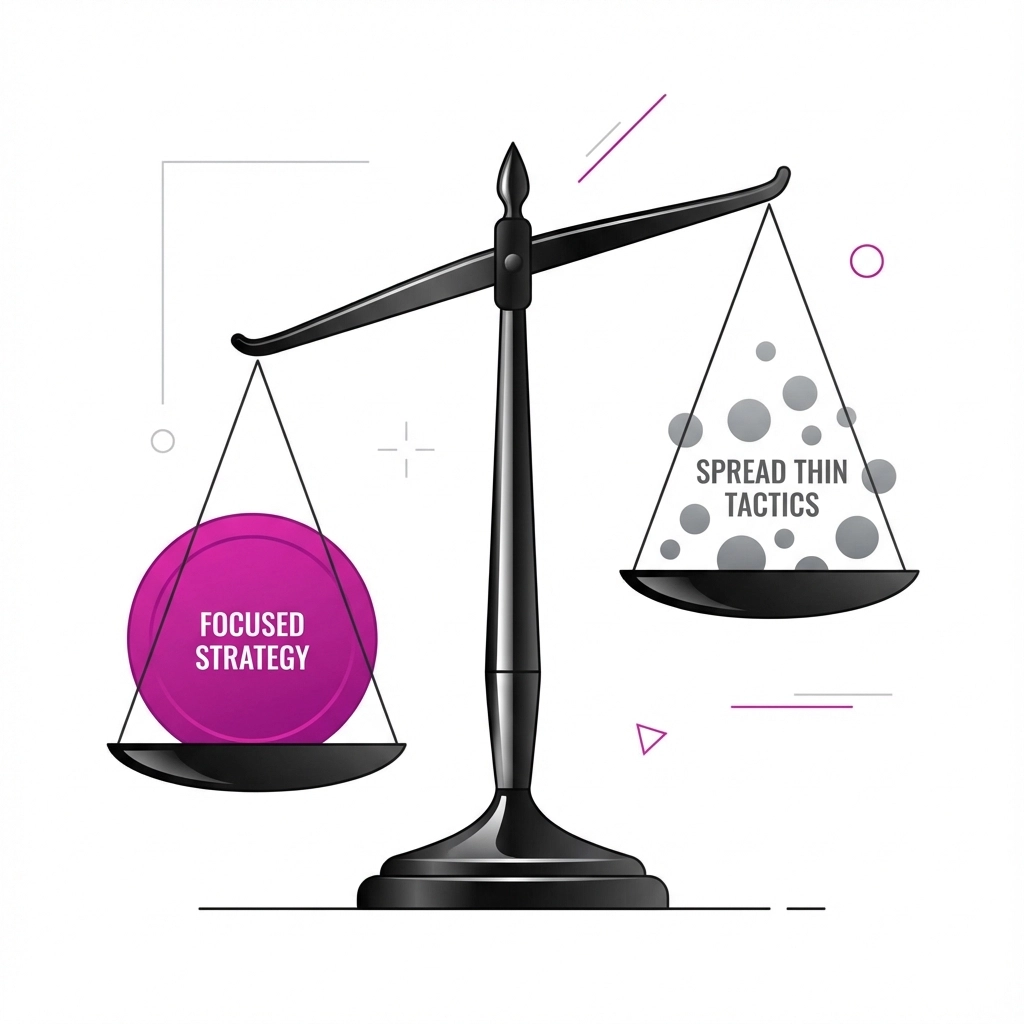
Think about it this way: would you rather spend $1,000 spread across ten different tactics that each get mediocre results, or invest that same $1,000 into two proven strategies that actually move the needle? Most small businesses choose option one, then wonder why nothing works.
The marketing landscape in 2026 has shifted dramatically. We're no longer building lasting brand equity: we're essentially renting attention. With paid media accounting for over 72% of worldwide advertising investment, getting noticed isn't optional anymore. It's the cost of doing business.
Your Budget Isn't the Problem: Your Strategy Is
You don't need a bigger budget. You need a smarter one.
Here's what actually works:
Stop spreading yourself thin. Instead of trying to be everywhere at once, pick 2-3 channels and dominate them. Fund fewer things properly rather than funding everything poorly. When you concentrate your resources, each dollar works harder.
Separate your "sure thing" budget from your "let's see what happens" budget. Put 70-80% of your money into proven tactics that generate predictable results. Use the remaining 20-30% to test new ideas with a clear spending limit. This way, you're not gambling with money you need for reliable lead generation.
Focus on revenue, not vanity metrics. Only about one-third of companies actually measure marketing performance using revenue-based metrics. The rest get distracted by likes, shares, and other feel-good numbers that don't pay the bills. If you can't connect a marketing activity to actual revenue, seriously question whether it belongs in your budget.
The Agency Economics That Actually Make Sense
Here's where things get interesting. In 2026, working with a specialized agency often costs less than trying to do everything yourself. I know, I know: that sounds backwards. But hear me out.
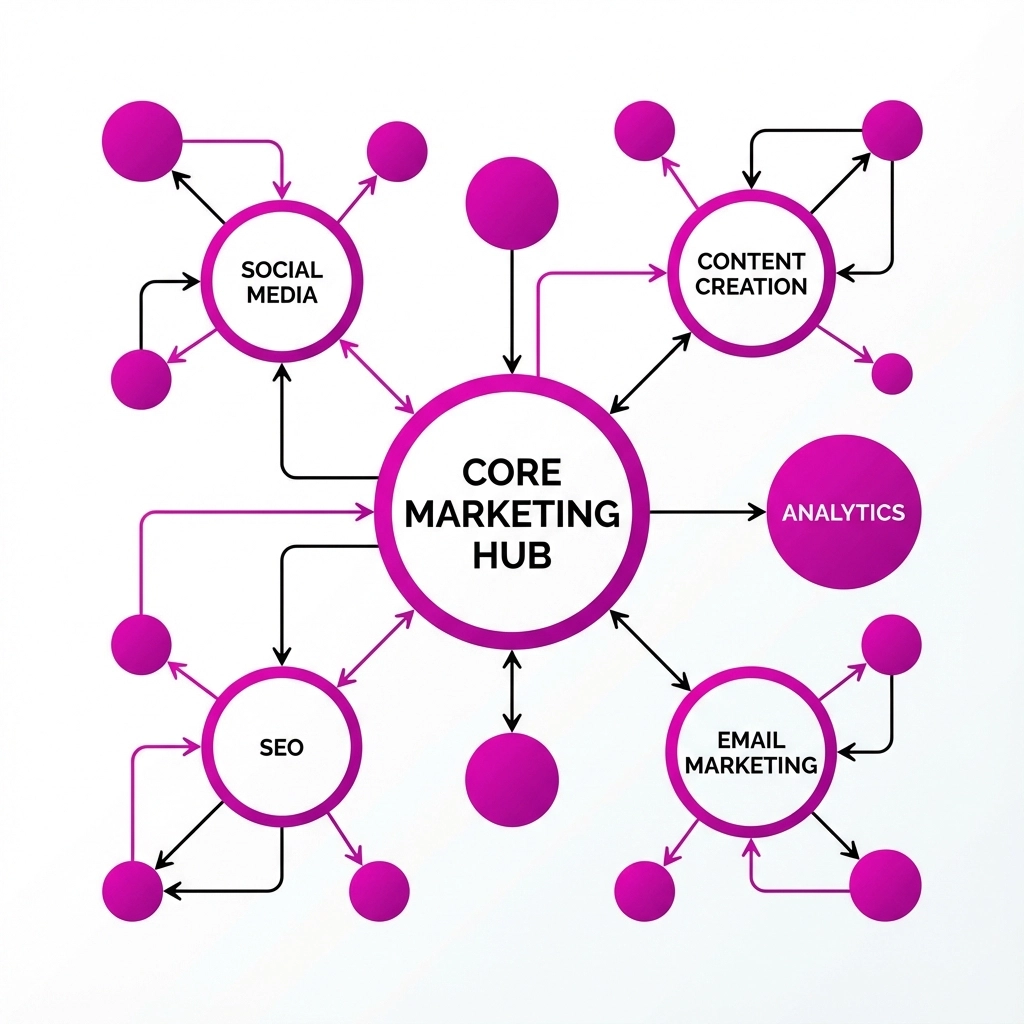
When you hire an agency, you're not just paying for their time. You're buying into their economies of scale. They've already invested in expensive software tools, training, and systems that would cost you thousands to set up yourself. Their cost for these resources gets spread across multiple clients, making it much more affordable for you.
One law firm saved $30,000 annually by switching from traditional TV video production to AI-powered social media videos through their marketing partner. Another business saw a 30% increase in sales and a 25% reduction in customer acquisition costs after partnering with specialists who knew their industry inside and out.
The math is simple: instead of paying for individual software licenses, training multiple team members, and coordinating with various vendors, you get access to a complete marketing system for often less than what you'd spend piecing it together yourself.
What's Actually Working in 2026
The companies killing it right now aren't outspending everyone else: they're outthinking them. They've figured out how to integrate both organic and paid strategies, treating paid advertising not as wasted money but as the necessary cost of staying relevant in an attention-starved market.
They're using AI as leverage, not replacement. Smart businesses are using AI tools to amplify human creativity and strategy, not replace it. This means better targeting, more personalized messaging, and faster optimization: all without sacrificing that human touch that builds real relationships.
They're getting specific about their audience. Instead of trying to appeal to everyone, they're laser-focused on their ideal customers. This specificity makes every marketing dollar more effective because the message resonates deeper with the right people.
They're moving fast on decisions. In 2026, the companies winning are the ones that can test, learn, and pivot quickly. They don't spend months debating strategy: they implement, measure, and adjust based on real data.
Your Action Plan for Smarter Marketing Spending
Ready to make your marketing budget work harder? Here's your roadmap:
Audit your current spending. List everything you're paying for and honestly assess what's actually generating revenue. Be ruthless here. If something isn't clearly contributing to your bottom line, it's a candidate for elimination.
Pick your battles. Choose 2-3 marketing channels that make the most sense for your business and customer base. Put the majority of your budget behind these proven performers.
Set up proper tracking. If you can't measure it, you can't improve it. Make sure every marketing activity can be connected to actual business results, not just traffic or engagement numbers.

Consider the agency option. Before automatically assuming in-house is cheaper, run the real numbers. Include software costs, training time, hiring expenses, and the opportunity cost of your team's time. You might be surprised at what specialized help actually costs when you factor in everything.
Plan for experimentation. Set aside 20-30% of your budget for testing new ideas, but cap your risk. This keeps you innovative without jeopardizing your core lead generation.
The Bottom Line on Marketing Budgets in 2026
Expensive marketing services aren't dead: wasteful marketing spending is. The businesses thriving in 2026 understand that marketing isn't a cost center; it's a profit center when done right.
You don't need to break the bank to compete. You need to be strategic about where you put your money, honest about what's working, and willing to invest properly in the tactics that actually generate revenue for your business.
The choice isn't between expensive and cheap marketing. It's between smart and wasteful marketing. Choose smart, fund it properly, and watch what happens when every dollar has a clear job to do.
Stop asking if you can afford good marketing. Start asking if you can afford not to do it right.
Comments