Does Personalization Really Matter in 2026? The Truth About Lead Generation That Actually Converts
Let's be real for a second.
You've probably heard "personalization" thrown around so much that it's starting to feel like just another marketing buzzword. Another thing you're supposed to be doing. Another item on an already overwhelming to-do list.
And honestly? I get it.
Between managing your business, trying to figure out the latest algorithm changes, and just keeping up with day-to-day operations, the idea of personalizing every single piece of content feels exhausting. Maybe even impossible.
But here's the thing, personalization in 2026 isn't what it used to be. It's not about manually crafting individual emails for every single person on your list. It's not about spending hours tweaking each social post.
It's smarter now. More strategic. And yeah, it actually works.
So let's dig into whether personalization really matters for your lead generation, and more importantly, how to do it without losing your mind.
The Numbers Don't Lie
Before we get into the how, let's talk about the why.
According to Google, 90 percent of leading marketers say personalization increases business profitability. That's not a small number. That's the vast majority of people who do this for a living saying, "Yep, this works."
But it's not just about making more money (though that's nice, right?). Personalization impacts three big areas:
Higher engagement and conversion rates – When your message actually speaks to someone's specific needs, they pay attention.
Shorter sales cycles – People trust you faster when they feel understood.
Better customer retention – You're not just getting leads; you're keeping them.
The truth is, generic marketing doesn't cut it anymore. Your audience is bombarded with content every single day. If your message sounds like everyone else's, it gets ignored.
What Personalization Actually Looks Like in 2026
Here's where things get interesting.
Personalization has evolved. It's not about slapping someone's first name in an email subject line and calling it a day. (We've all seen those emails that say "Hey {First_Name}!" because someone forgot to check their merge tags. Awkward.)
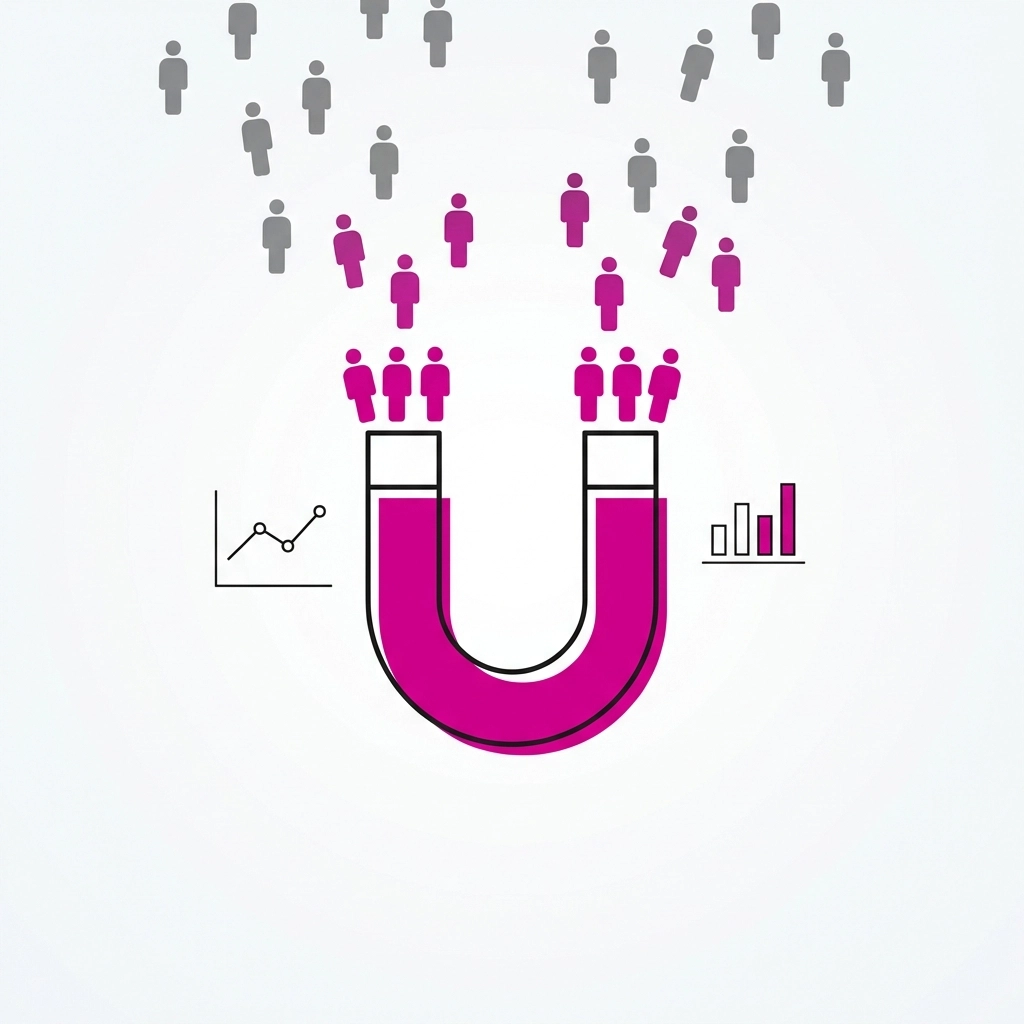
In 2026, effective personalization is about relevance over volume.
Think of it this way: instead of casting the widest net possible and hoping something sticks, you're casting a smarter net. You're focusing on the people who are most likely to actually need what you offer, and then speaking directly to their specific pain points.
This means:
Understanding who your ideal customer actually is (not who you wish they were)
Using real data about their behavior, not just assumptions
Meeting them where they already are, whether that's email, social media, or somewhere else entirely
The good news? You don't have to do all of this manually anymore.
AI and Automation Are Your New Best Friends
I know, I know. AI can feel overwhelming. Or maybe even a little scary.
But here's the reality: AI and automation are what make personalization at scale actually possible in 2026.
You can use tools that help you:
Segment your audience based on their actual behavior
Send personalized follow-ups automatically
Track what's working (and what's not) without spreadsheets taking over your life
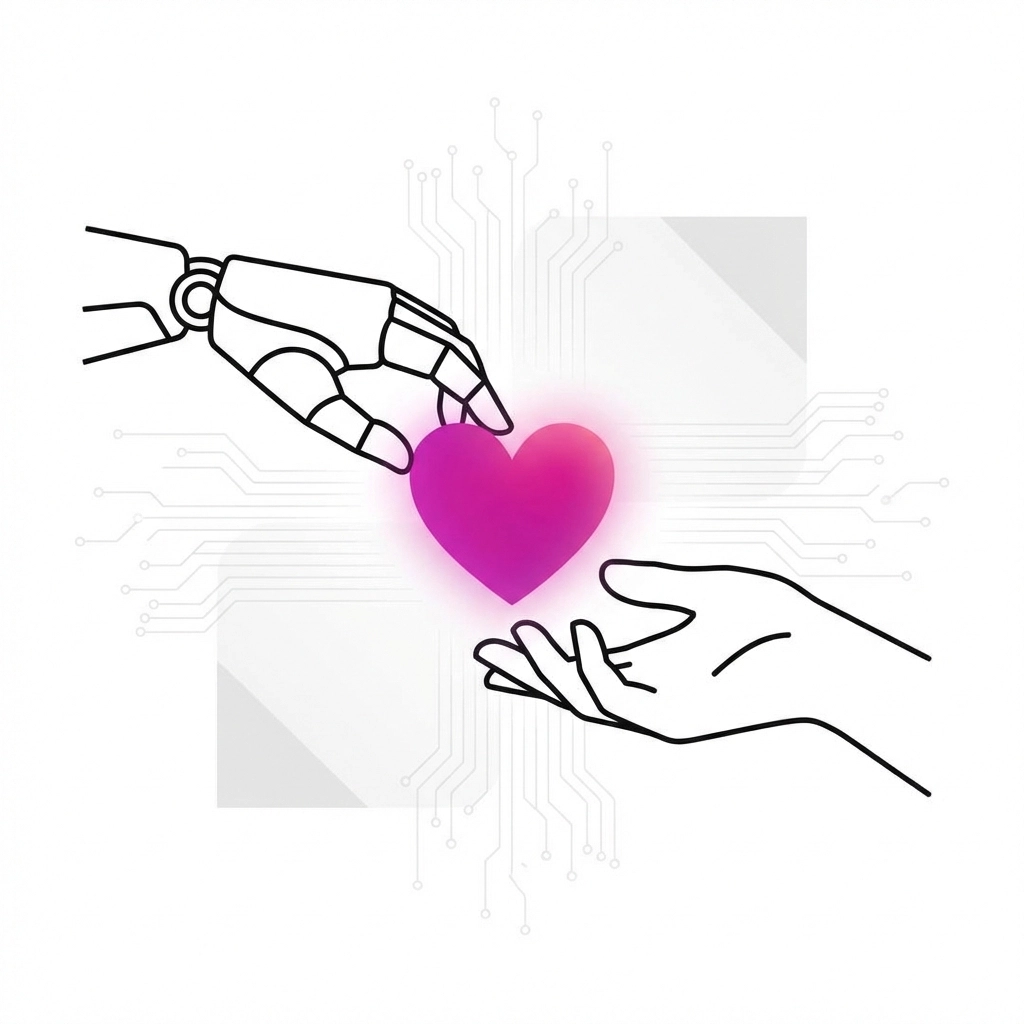
The key is combining the efficiency of automation with the human element that makes your brand, well, you. Nobody wants to feel like they're talking to a robot. But they also don't want to wait three weeks for a response because you're doing everything by hand.
It's about balance.
How to Actually Get Started (Without Overcomplicating It)
Okay, so personalization matters. AI can help. But what do you actually do?
Let's break it down into three practical steps.
Step 1: Define Your Ideal Customer Profile (ICP)
This is foundational. You can't personalize anything if you don't know who you're talking to.
Your ICP isn't just demographics like age and location. It's about:
What problems are they trying to solve?
What keeps them up at night?
Where do they hang out online?
What kind of language do they use?
Get specific here. The more clearly you can picture this person, the easier it becomes to create content that resonates with them.
Step 2: Use Data, Not Guesses
Here's where a lot of small business owners get stuck. They think they know what their audience wants, but they're basing it on assumptions instead of actual data.
Look at:
Which emails get opened (and which get ignored)
What pages on your website get the most traffic
Which social posts get engagement vs. crickets
What questions people are actually asking you
This information tells you what your audience cares about. Use it.
Step 3: Meet Them on Multiple Channels
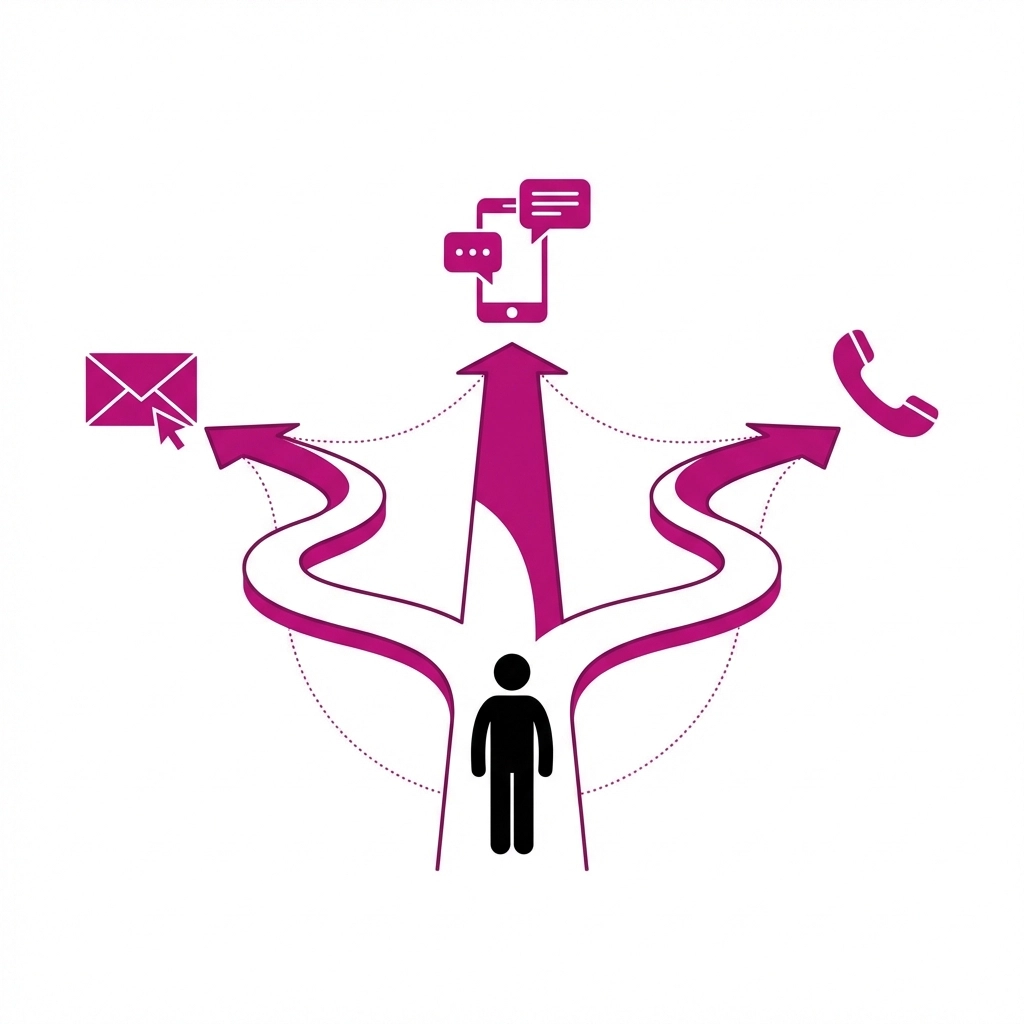
Your ideal customer isn't just hanging out in one place. They're checking email, scrolling social media, maybe even picking up the phone occasionally (shocking, I know).
Multi-channel outreach means showing up where they already are, with consistent, relevant messaging across platforms. This doesn't mean copying and pasting the same content everywhere. It means adapting your message to fit each channel while keeping the core personalization intact.
The Mistakes That Kill Your Lead Generation
Now let's talk about what not to do. Because even with the best intentions, it's easy to get this wrong.
Mistake #1: Going generic to "appeal to everyone"
When you try to speak to everyone, you end up speaking to no one. Your message becomes bland, forgettable, and easy to scroll past.
Mistake #2: Personalizing the wrong things
Adding someone's name to an email is nice, but it's not enough. If the actual content of your message doesn't address their specific situation, that first-name trick isn't going to save you.
Mistake #3: Ignoring the data you already have
You're probably sitting on a goldmine of information about your audience. Your CRM, your email analytics, your website traffic, it's all telling you something. Don't let it collect dust.
Mistake #4: Being creepy about it
There's a fine line between "wow, they really get me" and "how do they know that?" Be helpful, not invasive. Use data ethically and transparently.
The Bottom Line: Personalization Is a Growth Strategy, Not a Tactic
Here's what high-converting brands have figured out: personalization isn't just a nice-to-have. It's not something you do when you have extra time (because let's be honest, when does that happen?).
It's a core part of how you grow your business.
When done right, personalization transforms your lead generation from a numbers game into a relationship-building machine. You're not just collecting leads: you're connecting with real people who actually want what you offer.
And in 2026, with all the noise out there, that connection is everything.
Ready to Make Your Lead Generation Actually Convert?
Look, you don't have to figure all of this out on your own. Whether you're just getting started with personalization or you're ready to take things to the next level, having a strategy that fits your specific business makes all the difference.
If you're curious about how to build a lead generation system that actually works for you, check out what we do at SWINC Marketing. We're all about keeping things simple while getting real results.
Because your marketing should work as hard as you do.
Comments