
Google PPC Automation in 2026: 7 Mistakes You're Making (and How to Fix Them)
- Shalena Ward

- Dec 27, 2025
- 6 min read
You're probably making at least three of these mistakes right now, and they're costing you serious money.
Look, I get it. Google PPC automation feels like this magical solution that's supposed to make your life easier. You flip a few switches, let the robots take over, and boom, leads start flowing in while you focus on other parts of your business.
But here's the thing: most people are doing it wrong. Really wrong.
I've seen too many small business owners get burned by automation because they jumped in without understanding how it actually works. They're losing sleep over blown budgets, terrible conversion rates, and campaigns that seem to have a mind of their own.
The truth? Automation in 2026 is incredibly powerful, when you know what you're doing. But if you're making these common mistakes, you're basically throwing money at Google and hoping something sticks.
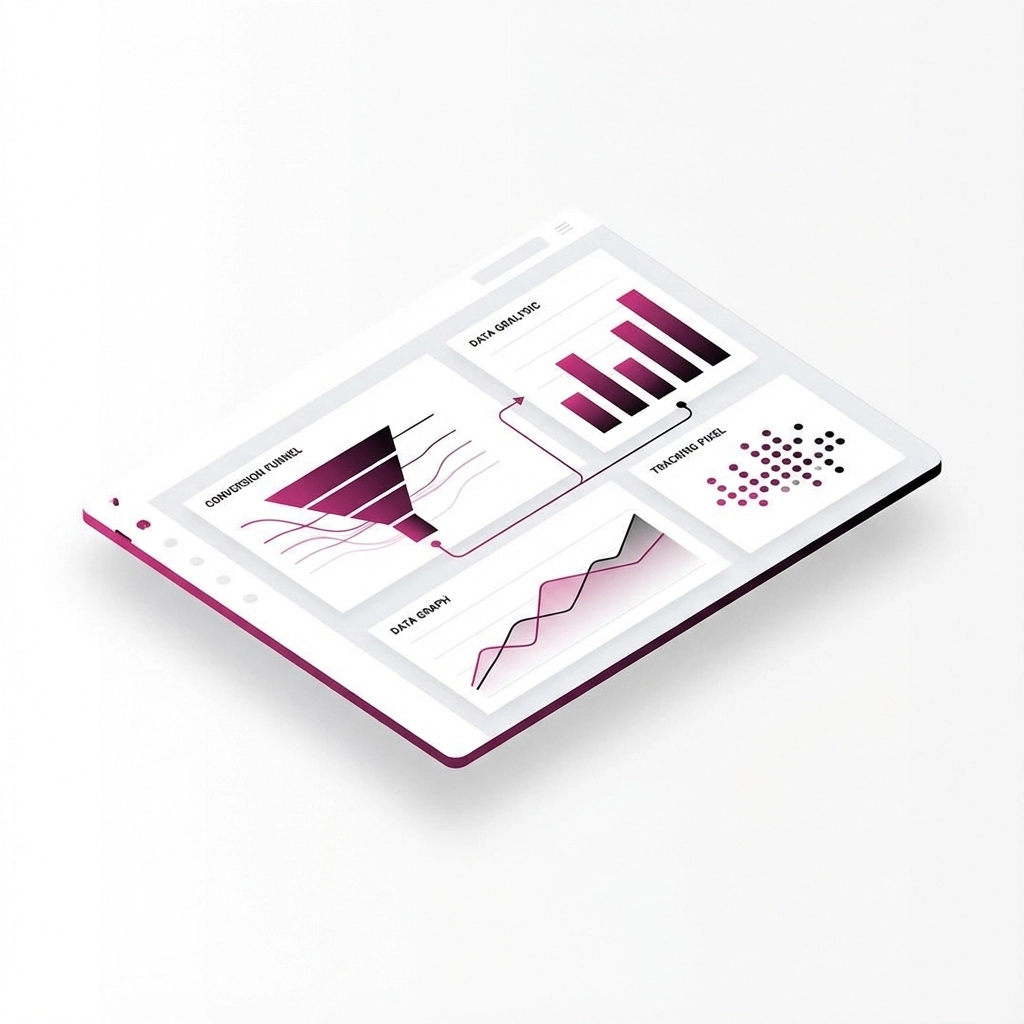
Mistake #1: Your Conversion Tracking is Basically Broken
This is the big one. If your conversion tracking isn't set up properly, everything else falls apart.
Here's what's happening: You've got the Google Tag installed (maybe), but you're not using Enhanced Conversions. Or worse, you installed some tracking code three years ago and haven't touched it since. Meanwhile, Google's algorithm is trying to optimize your campaigns based on incomplete or inaccurate data.
It's like trying to drive with a blindfold on.
The fix: Get serious about your tracking setup. Install the Google Tag across every single page of your website using Google Tag Manager. Then, and this is crucial, enable Enhanced Conversions in your conversion action settings. This captures first-party customer data like email addresses and phone numbers, which helps Google's algorithm work way better, especially when people decline cookies.
Also, make sure you've accepted the Customer Data Terms in Google Ads. Seriously, check this. I've seen accounts missing out on major optimization features just because they never clicked "accept" on some terms they didn't even know existed.
Mistake #2: You're Using the Wrong Bid Strategy for Your Business
Most people just pick "Maximize Conversions" and call it a day. But that's like using a screwdriver to hammer a nail, it might work, but it's not pretty.
Here's the problem: if you're treating all conversions equally when they're actually worth different amounts, you're confusing Google's algorithm. A $50,000 enterprise deal shouldn't be optimized the same way as someone downloading a free guide.
The fix: Match your bid strategy to your actual business goals. If every conversion is worth roughly the same amount (like e-commerce with similar product prices), stick with Maximize Conversions or Target CPA. But if your conversion values vary significantly, which they probably do, switch to Maximize Conversion Value or Target ROAS.
For most B2B businesses, value-based bidding is almost always the better choice. Google even has Smart Bidding Exploration tools now that let you preview how different strategies might perform before you make the switch.

Mistake #3: You're Mixing High-Intent and Low-Intent Keywords Together
This one drives me crazy because it's such an easy fix, but it kills so many campaigns.
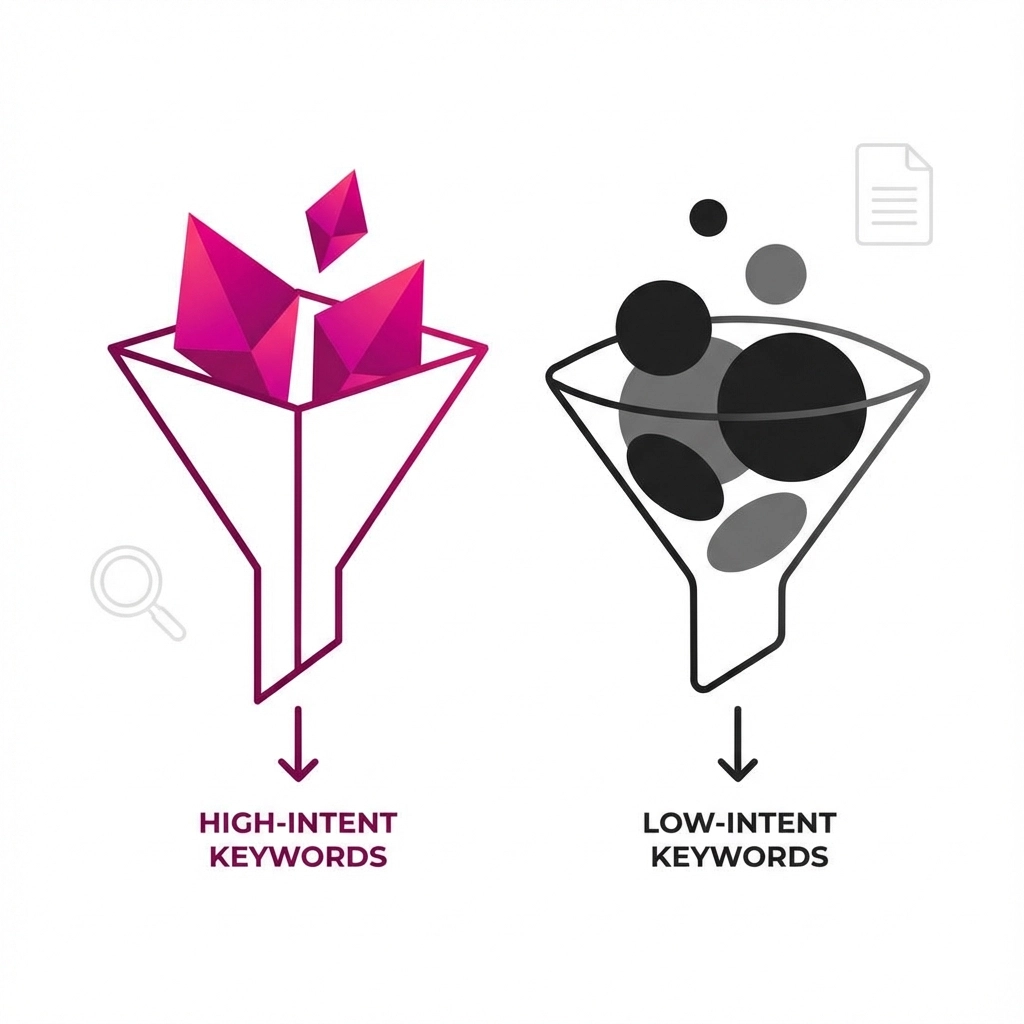
When you lump together keywords like "buy accounting software" (super high intent) with "what is accounting software" (just browsing), Google's algorithm can't figure out which type of traffic actually converts. It's like putting sports cars and minivans in the same race and expecting them to perform equally.
The fix: Separate your ad groups by intent level. Put your high-intent keywords (buying, pricing, specific product names) in one ad group, and your informational keywords in another. If you're using value-based bidding, Google will automatically shift more budget toward the ad groups that drive higher-value conversions.
If you're not using value-based bidding yet, you'll need to manually allocate more budget to your high-intent campaigns. But seriously, consider making the switch, it's 2026, and the automation is finally smart enough to handle this for you.
Mistake #4: You're Ignoring Your First-Party Data
Your customer data is sitting there like a goldmine, and you're not using it. Meanwhile, you're complaining that your targeting isn't working.
Most businesses have tons of useful information about their best customers, email lists, CRM data, past purchase history, but they're not feeding any of it back to Google. So Google's trying to find your ideal customers with one hand tied behind its back.
The fix: Start leveraging your customer data for better targeting. Upload Customer Match lists from your CRM to create lookalike audiences. Connect your lead forms and social media platforms to Google so it has a complete picture of who you want to target.
Use first-party data to create Custom Audiences, and layer In-Market audiences in "Observation" mode to gather insights before going live. The more high-quality data signals you give Google, the better it performs. It's that simple.
Mistake #5: All Your Conversions Have the Same Value (But They Shouldn't)
This might be the most expensive mistake on this list.
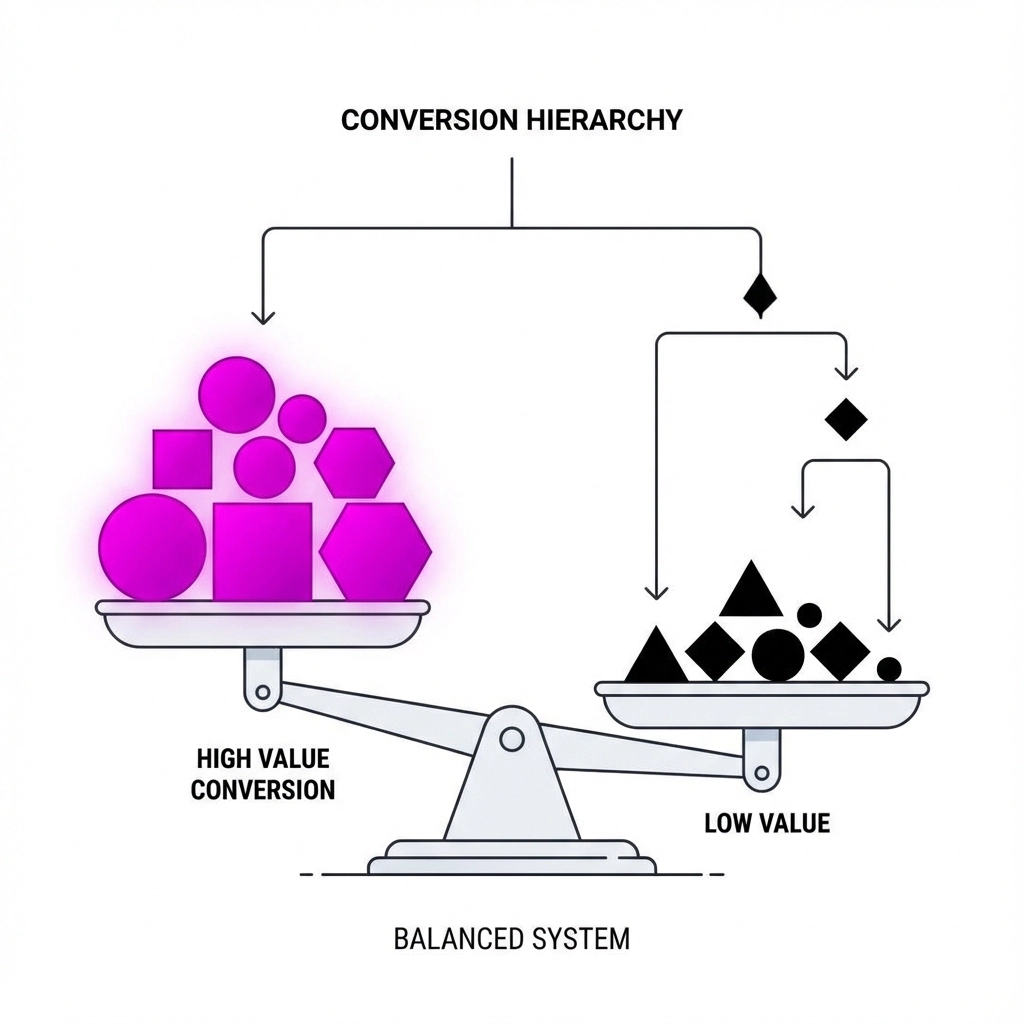
If you're not assigning different values to different conversion actions, you're telling Google that a newsletter signup is just as valuable as a $10,000 sale. And Google believes you. So it optimizes for both equally, which means you end up paying premium prices for low-value actions.
The fix: Assign realistic conversion values based on actual business impact. If a high-ticket consultation is worth 20x more than a free guide download, make sure your conversion tracking reflects that.
This enables value-based bidding to work properly and helps Google's machine learning prioritize the clicks that actually matter for your revenue. Some businesses are even testing lifetime value (LTV) based Smart Bidding to optimize for long-term customer value instead of just immediate conversions.
Take the time to calculate real conversion values. Yes, it's a bit of work upfront, but it's the difference between campaigns that break even and campaigns that actually grow your business.
Mistake #6: You're Running Automation Without Testing Anything
I see this all the time: someone reads about a cool new automated feature, flips it on across their entire account, and then freaks out when performance tanks for two weeks.
Automation isn't magic. It needs time to learn, and it needs guardrails to prevent disaster while it's learning.
The fix: Test automated features with controlled budgets first. When Google releases something like AI Max (or whatever the hot new feature is), try it on a small subset of your campaigns with clear objectives and budget limits.
Run controlled experiments for major changes like switching to value-based bidding. Set up conversion lift tests to validate that your new setup actually works better than what you had before. Use Google's simulation tools to preview performance changes before you commit.
And for the love of all that's holy, set budget guardrails during learning phases. Don't let automation spend your entire monthly budget in three days while it's still figuring things out.

Mistake #7: Your Conversion Goals Are Stuck in 2023
Here's something nobody talks about: conversion goal clutter.
You probably have old seasonal conversions still running in the background: Black Friday goals, holiday-specific events, that special promotion you ran six months ago. These outdated conversion actions are polluting your data and confusing your automation.
The fix: Do a conversion audit. Check which conversions your campaigns are actually optimizing toward, not just which ones exist in your account. Remove or pause any seasonal events that are no longer relevant.
Make sure Enhanced Conversions and Consent Mode are still firing correctly after any website changes you've made. If you've imported campaigns from Microsoft Ads, check that auto-applied goals aren't conflicting with your primary optimization objectives.
This is basic housekeeping, but it makes a huge difference. Clean data leads to better automation performance, period.
The Real Secret to PPC Success in 2026
Here's what separates the accounts that crush it from the ones that struggle: alignment.
The teams seeing incredible results aren't chasing more clicks or trying to game the algorithm. They're aligning every part of their PPC setup: bid strategies, conversion values, audience data, campaign structure: with their actual business outcomes.
They're teaching Google's algorithm what a high-quality customer looks like for their specific business. They're feeding it clean data, realistic conversion values, and clear intent signals.
And most importantly, they're not afraid to test and iterate. They understand that automation in 2026 isn't about "set it and forget it": it's about creating smart systems that get better over time.
If you're making some of these mistakes (and most people are), don't panic. Pick one or two to fix first, test the changes carefully, and build from there. Your future self: and your bank account: will thank you.
The bottom line? Google's automation tools are incredibly powerful, but they're only as good as the foundation you build for them. Get these fundamentals right, and you'll be amazed at what's possible.
Comments