
Performance Max vs Traditional Google Ads: Which Is Better for Your Small Business Budget? (2026 Edition)
- Shalena Ward

- Dec 24, 2025
- 5 min read
You're staring at your Google Ads dashboard again, aren't you? Your budget's tighter than ever, and you've got two paths staring back at you: stick with what you know (traditional Google Ads) or dive into Performance Max campaigns that everyone's talking about.
I get it. You're not running a Fortune 500 company with unlimited marketing budgets. Every dollar counts, and making the wrong choice could mean the difference between growth and just scraping by. So let's cut through the noise and figure out what actually works for small businesses like yours in 2026.
What's Performance Max All About?
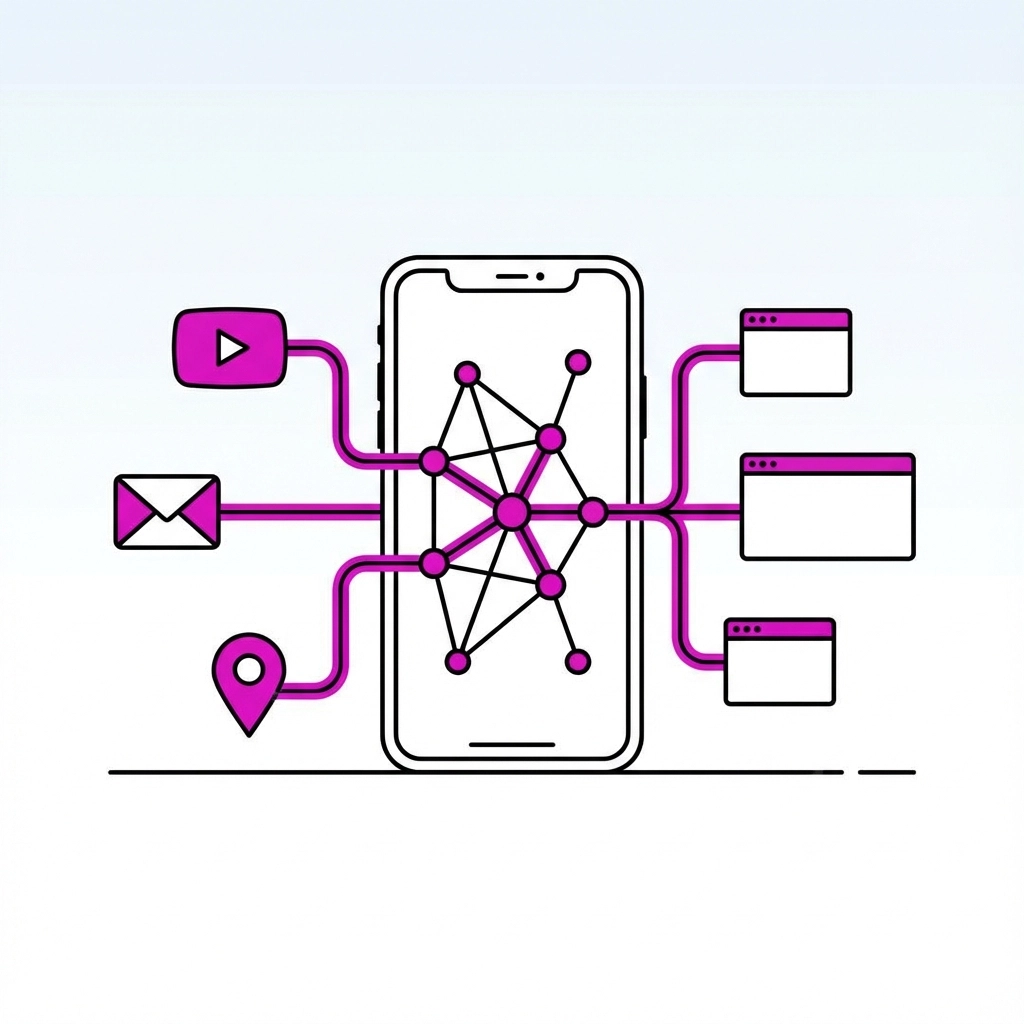
Think of Performance Max (PMax) as Google's "set it and forget it" approach to advertising. Instead of you manually picking keywords and managing separate campaigns across Search, Display, YouTube, Gmail, and Shopping, Google's AI takes the wheel completely.
You feed it your creative assets, images, videos, headlines, descriptions, plus some audience signals about who you think your customers are. Then Google's machine learning spreads your ads across their entire ecosystem, automatically optimizing for conversions.
Sounds pretty sweet, right? Well, here's where it gets interesting.
The Good Stuff About Performance Max
When Performance Max works, it really works. You're not just limited to people searching for your exact keywords anymore. Google finds customers you never would've thought to target, often at lower costs per click than traditional campaigns.
The reach is genuinely impressive. Your ads can appear when someone's watching YouTube videos, checking their Gmail, browsing websites, or even looking at Google Maps. That cross-channel magic can create touchpoints that wouldn't happen with separate campaigns.
Plus, if you're already stretched thin managing your business, PMax requires way less hands-on time. No keyword research marathons or constant bid adjustments, Google handles the heavy lifting.
The Not-So-Good Stuff
Here's where small business owners need to pay attention. Performance Max is hungry, it needs data to learn, and that learning period isn't cheap or quick. Google recommends at least three months of consistent spending before you can even judge if it's working.
During those three months? Your money's basically funding Google's education about your business. That's fine if you've got cash to burn, but brutal if you're counting every conversion.
The bigger problem? PMax can absolutely cannibalize your other campaigns. If you're running both Performance Max and traditional Search campaigns, PMax will often steal credit for conversions that would've happened anyway through your cheaper brand searches. You'll think PMax is crushing it when really, it's just taking credit for customers who were already looking for you.
And here's the kicker, you can't see which search terms triggered your ads. That granular control you had? Gone. You're flying blind, trusting Google's algorithm to spend your money wisely.
Traditional Google Ads: The Tried and True
Traditional Google Ads, Search, Shopping, Display campaigns that you manually control, might feel old school, but there's a reason they're still around.
With Search campaigns, you choose exactly which keywords trigger your ads. Someone searches for "plumbing services near me," your ad shows up. You pay when they click. Simple, predictable, and you can see exactly what's working.

Why Traditional Campaigns Still Rule for Small Budgets
Control is everything when you're watching every dollar. You can see which keywords are driving sales, which ones are wasting money, and adjust on the fly. Start with a small budget, test what works, then scale up the winners.
Search campaigns are particularly powerful because they catch people with high intent. They're actively looking for what you sell. No hoping the algorithm finds the right audience: you know these people want your product or service.
Shopping campaigns work the same way for e-commerce. Someone searches for your product, sees your photo and price, clicks if they're interested. Clean, efficient, and you can track ROI down to the penny.
The Limitations You'll Hit
Traditional campaigns have a ceiling. You're limited by search volume for your keywords, and you're only reaching people actively searching. That's great for intent but not for discovery.
You'll also need to manage multiple campaigns if you want coverage across different Google properties. That means more time, more complexity, and more opportunities for things to go wrong.
So Which One Should You Choose?
Here's the honest answer: it depends on where your business is right now.
Start with traditional Google Ads if:
Your monthly ad budget is under $2,000
You need to see ROI immediately to justify the spend
You're in a competitive space where brand searches deliver solid returns
You want to understand exactly where your money's going
Your team is small and you need straightforward optimization
Consider Performance Max when:
You're consistently generating 30+ conversions per month
You can commit to 3+ months of learning with a steady budget
You've built a library of quality creative assets
You're ready to run it alongside (not instead of) traditional campaigns
The 2026 Reality Check
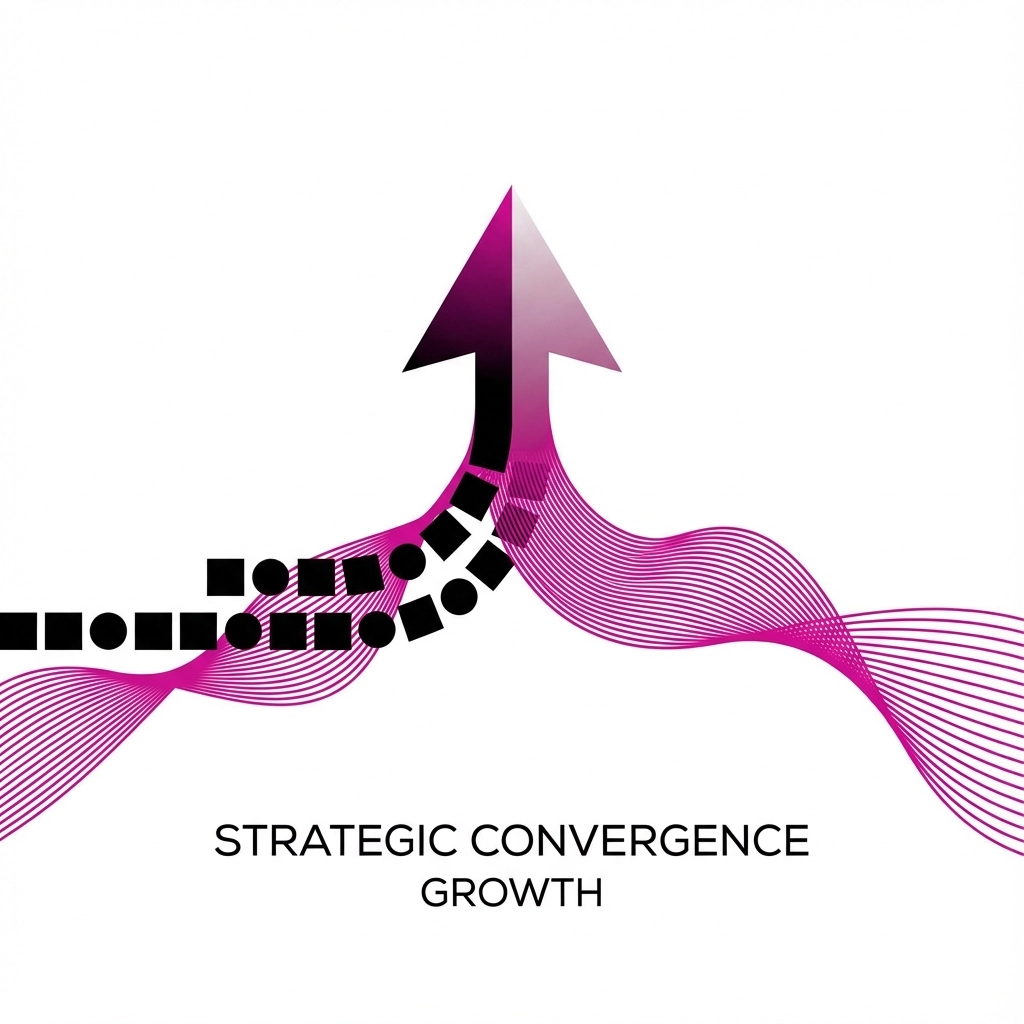
Here's what's actually happening in 2026: the most successful small businesses aren't choosing between Performance Max and traditional campaigns: they're using both strategically.
Your Search and Shopping campaigns become your foundation. They handle the high-intent traffic that converts reliably. Then you layer in Performance Max as your discovery engine, treating it as a separate budget line for reaching new audiences.
The key is preventing cannibalization. Use negative keywords aggressively to keep Performance Max from stealing your profitable Search traffic. Monitor both campaigns for at least three months before making any major budget shifts.
What This Means for Your Budget
If you're working with $1,000 per month or less, stick with traditional campaigns. Period. You need every dollar to work immediately, and you can't afford a three-month learning curve.
Between $1,000-$3,000 monthly? Start with 70-80% in traditional campaigns, then test Performance Max with the remaining budget. Give it three months, track everything, then decide if it's worth scaling.
Above $3,000 monthly? You've got room to experiment. Split your budget and run both, but keep traditional campaigns as your safety net.

The Tools That Actually Matter in 2026
Google's rolling out new AI tools throughout 2026, but don't get distracted by every shiny feature. Focus on what moves your business forward:
Use Google's new audience insights to refine your traditional campaigns
Leverage automated bidding strategies within your controlled campaigns
Test responsive search ads, but keep some control with expanded text ads
Monitor cross-channel attribution, but don't let it override your direct ROI tracking
Making Your Decision
Look, there's no magic bullet here. Performance Max isn't automatically better because it's newer, and traditional campaigns aren't outdated just because they require more hands-on management.
Your choice should be based on your business reality: budget size, conversion volume, team capacity, and risk tolerance.
Most small businesses will find their sweet spot with traditional campaigns as the foundation, possibly adding Performance Max later as they scale. Don't let anyone pressure you into Performance Max just because it's the hot thing: make the choice that fits your business, not someone else's marketing agenda.
The advertising landscape keeps evolving, but the fundamentals remain: know your numbers, test methodically, and never bet more than you can afford to lose. Whether that's through traditional campaigns, Performance Max, or a hybrid approach, the right choice is the one that grows your business sustainably.
Your budget deserves better than guesswork. Choose the approach that gives you the control and results you need, not the one that sounds most impressive in marketing meetings.
Comments