
Social Media Vs SEO: Which Drives More Leads for Small Businesses in 2025?
- Shalena Ward

- Dec 9, 2025
- 5 min read
You're staring at your analytics dashboard again, aren't you? Another month has passed, and you're still wondering why your leads aren't flooding in like those success stories you keep seeing online. Should you be posting more on Instagram? Writing more blog posts? Maybe running Facebook ads? Or should you just hire someone to fix your SEO once and for all?
Here's the thing - you're asking the wrong question. It's not really about choosing between social media and SEO anymore. In 2025, it's about understanding what each one actually does for your business and when to use them. Because spoiler alert: they're solving completely different problems.
The Traffic Numbers Tell One Story (But Not the Whole Story)
Let's start with what everyone's talking about. Social media is currently crushing it when it comes to driving traffic to small business websites. We're seeing 64% of SMB traffic coming from social platforms, while SEO brings in about 52%. Those numbers sound pretty convincing, right?
But here's where it gets interesting - and where most business owners get tripped up. Traffic doesn't equal leads, and leads don't equal sales. You could have thousands of people clicking through from your TikTok video, but if they're just curious browsers who bounce after five seconds, what's the point?
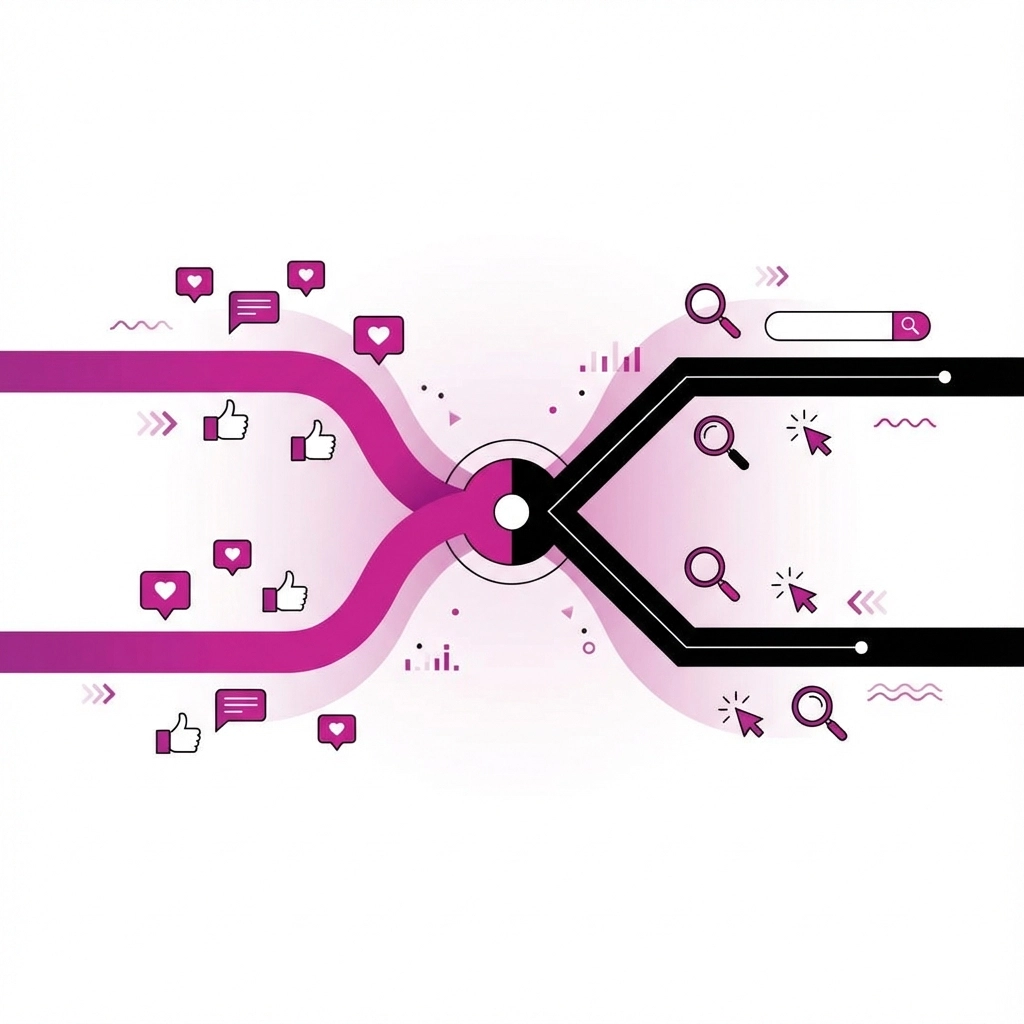
Think about your own behavior for a second. When you're scrolling through Facebook and see an interesting post, you might click through just because you're bored. But when you Google "best marketing agency near me" - well, that's a completely different mindset, isn't it?
The Intent Game Changes Everything
This is where SEO starts to shine, and honestly, it's why I'm still bullish on it for small businesses in 2025. When someone finds your website through Google, they're actively looking for what you offer. They've got a problem, they know they need a solution, and they're ready to take action.
SEO visitors have a 55.6% bounce rate compared to social media's 67.6%. That might not sound like a huge difference, but think about what that means. More people are actually sticking around on your site when they find you through search. They're reading your content, checking out your services, maybe even filling out that contact form you've been optimizing.
Social media works differently. It's more like that friend who introduces you to someone at a party - you might not be ready to date them right now, but you'll definitely remember their name later. About 38% of consumers discover new brands through social platforms. That's powerful for building awareness, but it's not always going to convert immediately.
The Real ROI Question You Should Be Asking
Now, let's talk about the numbers that actually matter to your bottom line. Companies using social media see about 78% more leads overall, and businesses typically earn $2.50 for every dollar they spend on social campaigns. Those stats sound pretty compelling when you're looking at your marketing budget.
But here's the catch that nobody talks about - organic reach on social media is basically dead. Like, seriously dead. If you want real visibility on Facebook, Instagram, or LinkedIn in 2025, you're going to have to pay for it. That means those ROI numbers need to include your ad spend, not just your time posting cute behind-the-scenes content.
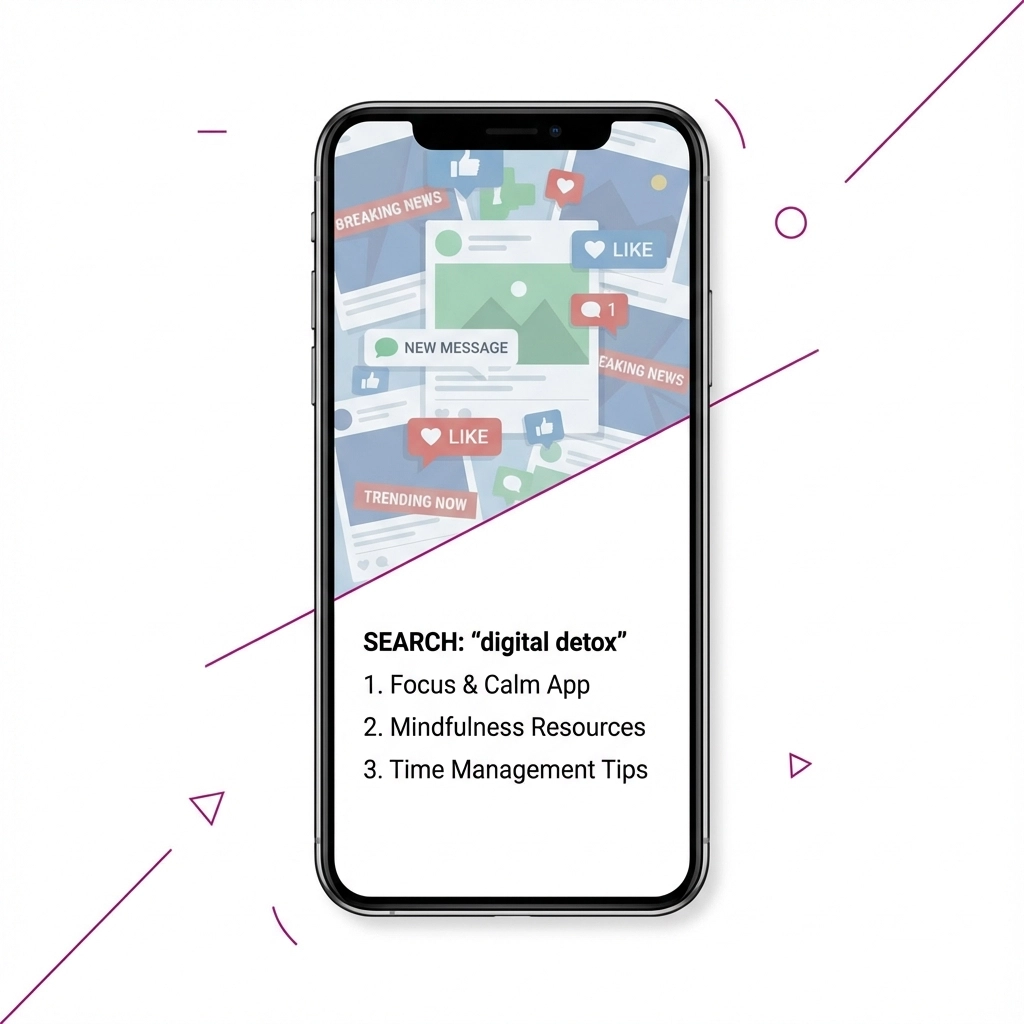
SEO, on the other hand, is more like buying real estate. You put in the work upfront - creating quality content, optimizing your pages, building authority - and it keeps paying dividends for months or years. Once you rank for "WordPress web design services" or whatever your key terms are, that traffic keeps coming without you having to pay Google for every single click.
When Social Media Actually Works for Lead Generation
Don't get me wrong - social media isn't just vanity metrics and cat videos. When it's done right, it's incredibly powerful for certain types of businesses. If you're in a visual industry like photography, interior design, or food, Instagram can be your best friend. If you're targeting other businesses, LinkedIn can generate seriously qualified leads.
The key is understanding that social media excels at relationship building. It's where you nurture prospects over time, share your expertise, and stay top-of-mind. When your ideal client is finally ready to buy, they'll remember you from all those helpful posts you shared.
Plus, social media signals actually help your SEO. When people share your content, link back to your site, and spend more time engaging with your brand, Google notices. It's not a direct ranking factor, but it creates more visibility and better user metrics that search engines love.
The Small Business Reality Check
Here's what's actually happening with small businesses in 2025. About 52% are still investing heavily in SEO, while 64% are prioritizing social media. But the smart ones aren't choosing sides - they're using both strategically.
The businesses that are winning understand that these channels work together, not against each other. They use SEO to capture people who are ready to buy right now, and social media to build relationships with people who might buy later. It's not either-or; it's how you layer them effectively.
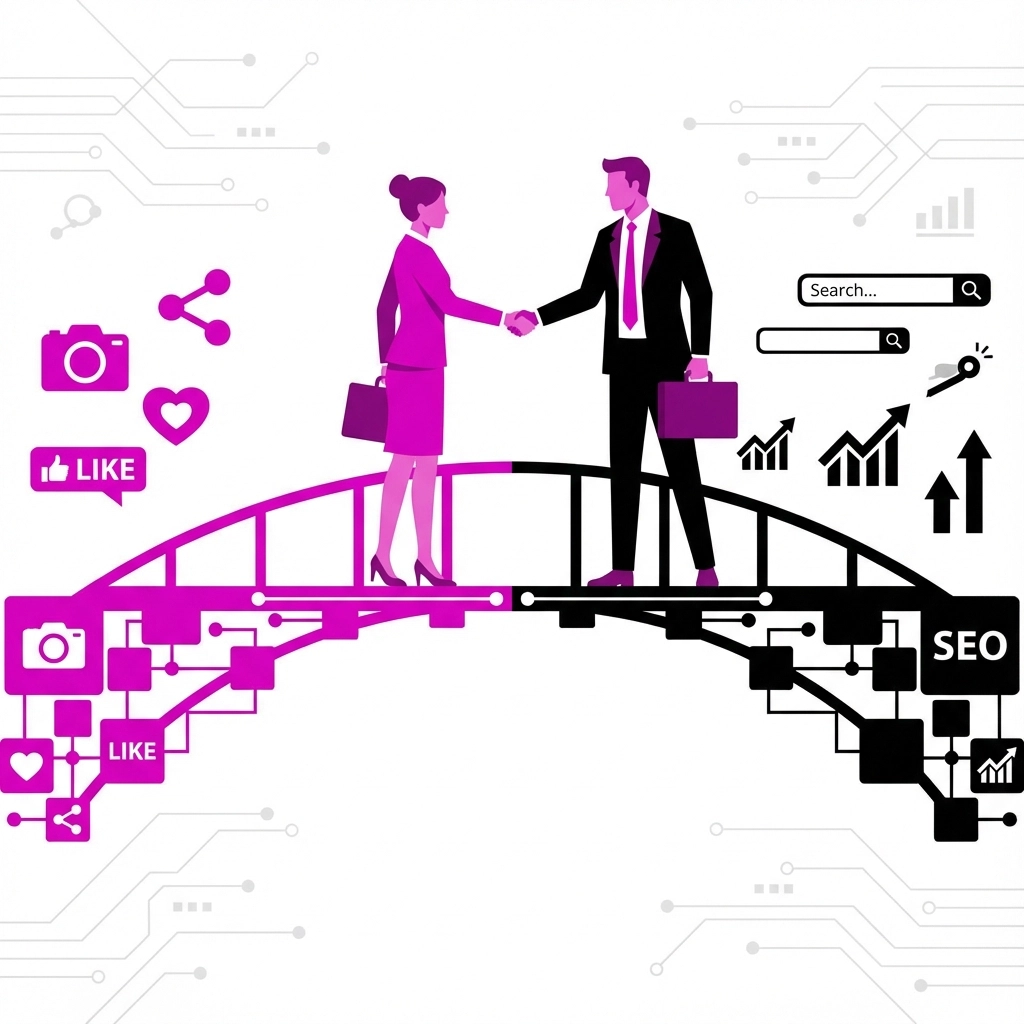
Think about it like dating (stick with me here). SEO is like being there when someone decides they're ready for a relationship and actively starts looking. Social media is like being that interesting person at every party who eventually gets asked out because they've built genuine connections over time.
Making the Choice That Actually Makes Sense
So which one should you focus on? The honest answer depends on three things: your timeline, your audience, and your capacity.
If you need leads next month and have budget for ads, social media can deliver faster results. You can literally turn on a Facebook campaign today and start getting website visitors by tomorrow. But remember, you'll need to keep feeding that machine with content and ad spend.
If you're playing the long game and want to build sustainable lead generation that doesn't depend on ad platforms, SEO is your foundation. It takes longer to see results - usually 3-6 months for meaningful improvements - but once it's working, it's incredibly reliable.
Your audience matters too. B2B businesses often do better with LinkedIn and SEO, while consumer brands might find Instagram and TikTok more effective. Don't just follow the latest trend - go where your actual customers are spending their time.
The 2025 Strategy That Actually Works
Here's what successful small businesses are doing right now: they're using social media to drive people to search for their brand, then converting those searches with solid SEO. It's like planting seeds on social platforms and harvesting them through search.
For example, you might share helpful tips on LinkedIn that establish your expertise. People remember your name but aren't ready to hire you yet. Two months later, when they finally need your services, they Google "[your company name] + marketing services" and find your optimized website. That's the conversion.
The businesses that get this right are seeing the best of both worlds - the relationship-building power of social media plus the high-intent conversions of SEO. They're not fighting over which channel is "better" because they understand how to make them work together.
Your move? Start with one channel, get it working consistently, then layer in the other. If you're great at creating content, maybe start with social media and use that to build an audience you can eventually capture through SEO. If you're more technically minded, nail your SEO foundation first, then use social media to amplify your best content.
Just don't fall into the trap of thinking you have to choose. In 2025, the businesses that win are the ones that understand how different channels work together to create a complete lead generation system.
Comments