
Stop Wasting Time on Vanity Metrics: Try These 7 Revenue-Focused Marketing Hacks (2026 Edition)
- Shalena Ward

- Dec 28, 2025
- 4 min read
Let's be honest – you're probably tracking the wrong stuff.
You're celebrating that post with 500 likes while your bank account stays the same. You're obsessing over follower counts while your actual customers slip away to competitors. Sound familiar?
Here's the thing: vanity metrics feel good, but they don't pay the bills. In 2026, it's time to get serious about what actually moves the needle for your business – cold, hard revenue.
I'm going to share seven marketing hacks that'll shift your focus from feel-good numbers to profit-driving strategies. These aren't theory – they're battle-tested approaches that small businesses are using right now to turn their marketing into a revenue machine.
Hack #1: Ditch Engagement Rates for Revenue Per Lead
Stop celebrating that 5% engagement rate and start tracking what really matters: how much money each lead brings you.
Here's what you should be measuring instead:
Customer acquisition cost (CAC)
Lifetime value (LTV)
Revenue per lead
Conversion rate from lead to sale
Time from lead to close
Set specific revenue targets with deadlines. Instead of "increase followers," try "generate $50K in new revenue from 100 qualified leads by March 31st." See how much clearer that is? You'll know exactly whether your marketing is working or just making pretty graphs.

Hack #2: Put 60% of Your Budget Into Email Marketing (Seriously)
While everyone's chasing the latest social media trend, smart businesses are doubling down on email marketing. Why? Because it delivers an insane $36-$42 return for every dollar spent.
That's not a typo. Email marketing has a 3,600% ROI.
Here's how to make it work:
Segment your list based on purchase behavior, not demographics
Send abandoned cart emails within 2 hours
Create welcome sequences that nurture for 7-14 days
Test subject lines ruthlessly (aim for 25%+ open rates)
Don't just blast everyone with the same generic newsletter. Treat email like your money-making machine, because that's exactly what it is.
Hack #3: Implement AI-Powered Behavioral Triggers
This one's a game-changer. Instead of guessing when to reach out to prospects, let AI watch their behavior and trigger actions automatically.
Set up these behavioral triggers:
Someone visits your pricing page 3+ times → automatic phone call
User downloads your guide → enters 5-day email nurture sequence
Customer hasn't purchased in 90 days → reactivation campaign
Prospect spends 10+ minutes on testimonials → send case study
The magic happens when you connect these behaviors to revenue outcomes. Track which triggers lead to actual sales, then optimize like crazy.
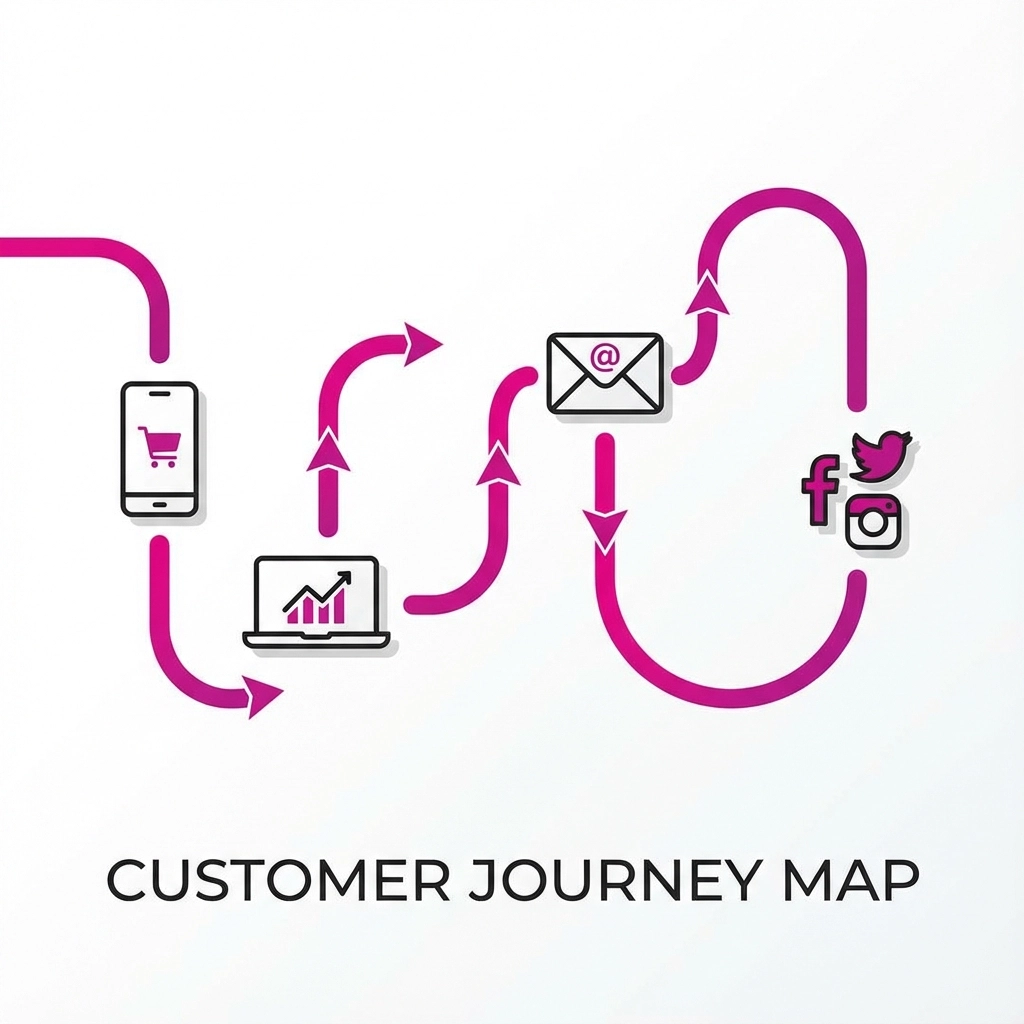
Hack #4: Master Multi-Touch Attribution (Finally!)
Single-touch attribution is killing your budget decisions. A customer might see your Facebook ad, visit from Google, read your blog, get your email, then buy after clicking a LinkedIn post. Which channel gets credit?
With proper multi-touch attribution, you'll see:
Which channel combinations work best
How long your actual sales cycle is
Where to shift budget for maximum impact
Tools like Google Analytics 4 or HubSpot can track this, but you need to set it up right. Stop giving all the credit to the last click and start understanding your real customer journey.
Hack #5: Allocate 25% of Paid Budget to Retail Media Networks
Everyone's still fighting over Facebook and Google while smart businesses are cleaning up on retail media networks. These platforms – Amazon DSP, Walmart Connect, Target Roundel – put you in front of people who are already shopping.
The targeting is ridiculous:
People who bought competitor products
Users browsing specific categories
Customers who haven't purchased in X days
Best part? You're reaching buyers, not browsers. The intent is already there – you're just helping them find you instead of your competitor.
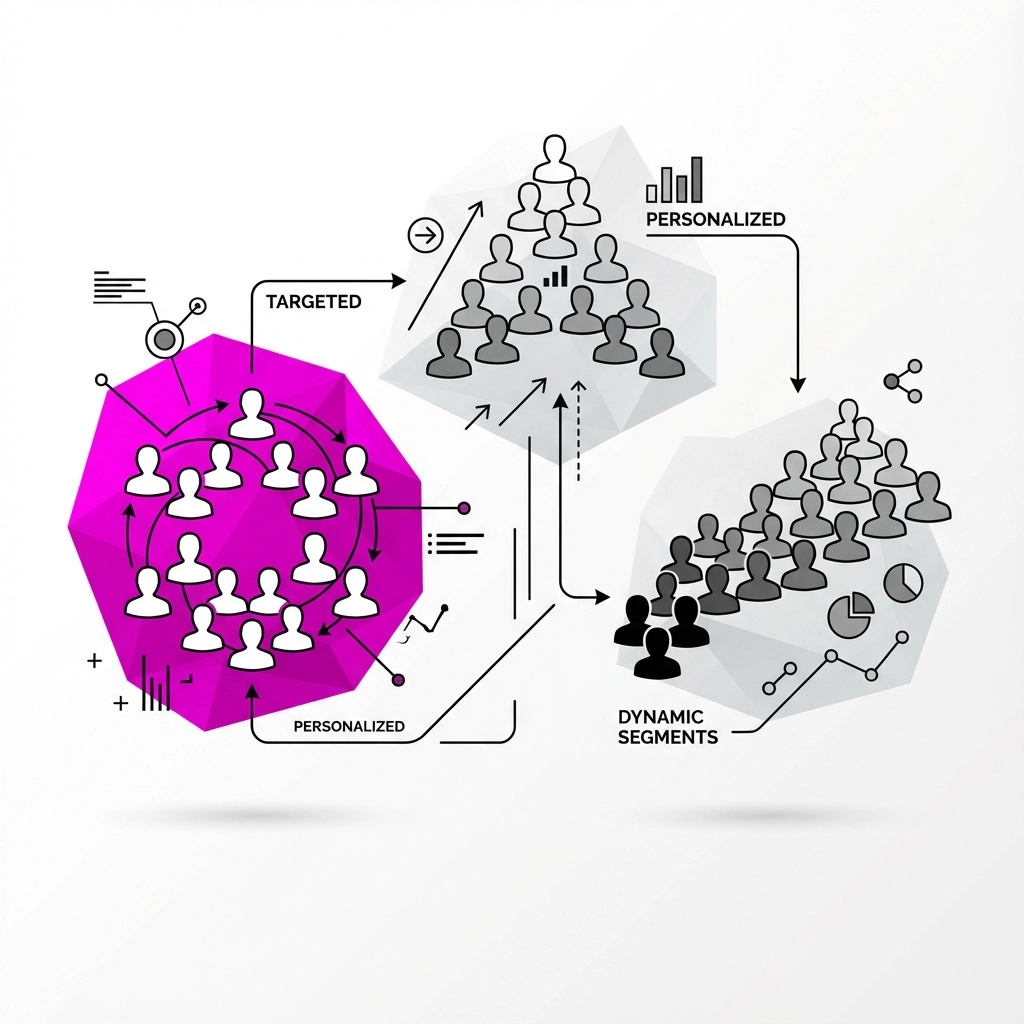
Hack #6: Create Dynamic Segments That Actually Predict Purchases
Static segments are dead. "Males 25-35" tells you nothing about buying behavior. Dynamic segments based on actions? That's where the money is.
Try these revenue-focused segments:
Hot prospects: Visited pricing + downloaded guide + opened 3+ emails
At-risk customers: No purchase in 6 months + low email engagement
Upsell ready: Recent purchase + high engagement + specific browsing pattern
Then create specific campaigns for each segment. Your hot prospects need different messaging than your at-risk customers, and your conversion rates will reflect that personalization.
Hack #7: Implement Monthly Revenue Checkpoints
Annual goals are useless. By the time you realize you're off track, it's too late to fix it.
Break everything down into monthly checkpoints:
Revenue targets
Lead generation quotas
Conversion rate benchmarks
Customer acquisition goals
Review weekly, adjust monthly, pivot quarterly. This agile approach means you're constantly optimizing based on what's actually working, not what you hoped would work.
Set up automated dashboards that track these metrics daily. When something's not hitting targets, you'll know within days, not months.
The Reality Check You Need
Here's what most business owners don't want to hear: if you can't directly connect your marketing activities to revenue, you're probably wasting money.
Those 10,000 Instagram followers mean nothing if they're not buying. That viral TikTok is worthless if it doesn't drive sales. The beautiful brand awareness campaign is just expensive art if it doesn't move the needle.
Start asking these questions about every marketing activity:
How much revenue did this generate?
What was the cost per acquisition?
How long from first touch to sale?
Which customers have the highest lifetime value?
Making the Switch
I get it – tracking revenue is harder than counting likes. It requires setting up proper systems, connecting your marketing tools to your sales data, and actually understanding your customer journey.
But here's the thing: your competitors are probably still chasing vanity metrics. While they're celebrating engagement rates, you'll be depositing actual money in the bank.
The businesses that make this shift in 2026 will dominate their markets. The ones that don't will keep wondering why their "successful" marketing campaigns aren't growing their revenue.
Visit our services page to see how we help businesses implement these revenue-focused strategies and finally connect their marketing efforts to real business growth.
Which hack are you implementing first? The email marketing focus usually gives the fastest results, but the behavioral triggers create the most long-term value. Either way, stop celebrating vanity metrics and start tracking what actually matters – your bottom line.
Comments