
The $350 Marketing Strategy Framework That Turns Website Visitors Into Booked Calls
- Shalena Ward

- Jan 16
- 5 min read
You're getting website traffic. People are landing on your site, scrolling through your services, maybe even reading your About page. But then what happens? They leave. No call. No booking. No conversation.
Sound familiar? You're not alone. Most small businesses are sitting on a goldmine of potential clients who visit their website every single day, but they're missing the bridge that turns those casual browsers into actual paying customers.
Here's the thing - you don't need more traffic. You need a system that captures the traffic you already have. And that's exactly what we're diving into today.
The $3,000 Problem Most Businesses Don't Even Know They Have
Let's do some quick math. Say you're getting 100 website visitors per month (pretty standard for most small businesses). If just 5% of those visitors turned into booked calls, that's 5 potential clients. If your average client is worth $600, you're looking at $3,000 in potential revenue slipping through your fingers every single month.
But here's the kicker - most businesses convert less than 2% of their website visitors. Some are sitting at a painful 0.5%. That means you're potentially leaving $2,500-$2,850 on the table monthly.
The good news? This isn't about getting more visitors. It's about being smarter with the ones you already have.
Meet the C.A.L.L. Framework
After working with hundreds of small businesses, we've developed a simple but powerful framework that consistently turns website lurkers into booked calls. We call it the C.A.L.L. Framework, and it's based on four core pillars that work together like a well-oiled machine.
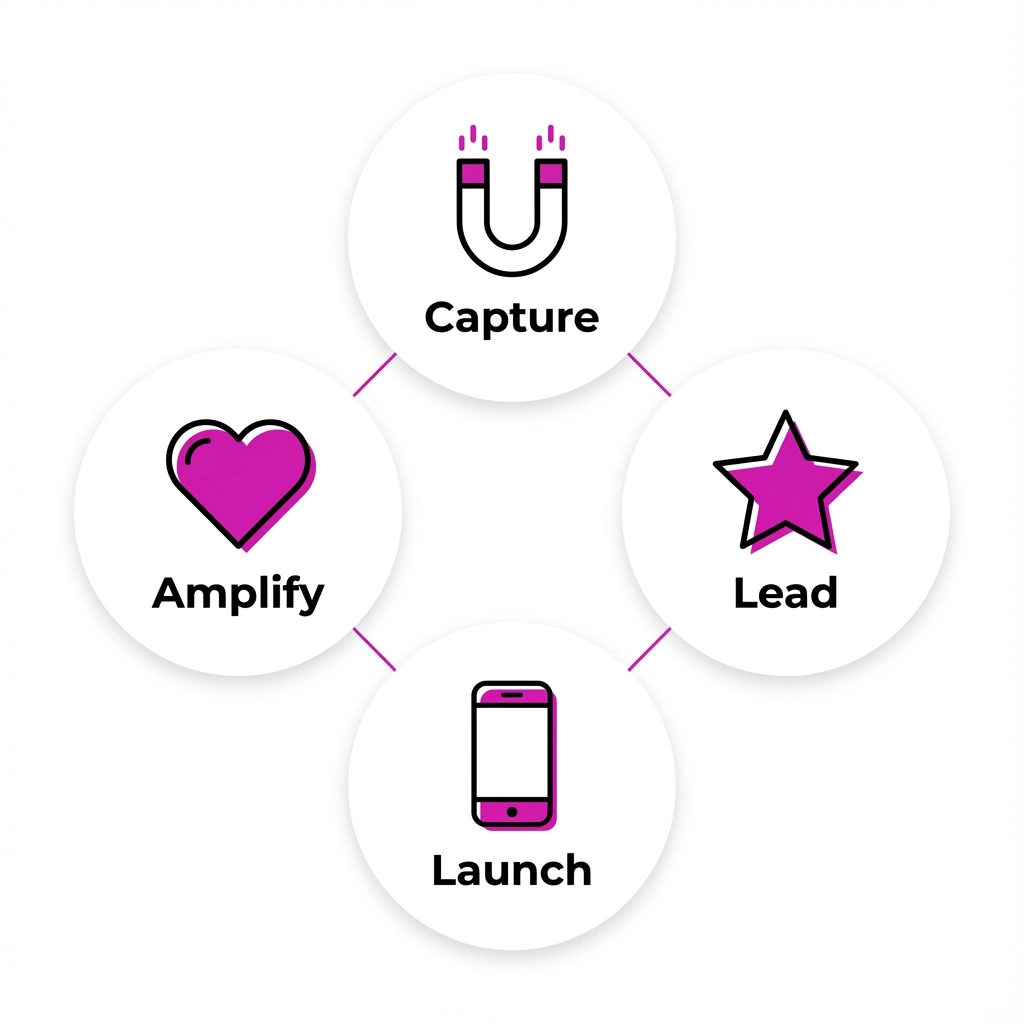
C - Capture Attention Immediately A - Amplify Pain Points and Desires L - Lead with Social Proof L - Launch the Perfect Call-to-Action
This isn't some theoretical marketing fluff. This framework has helped our clients increase their conversion rates by an average of 340% within the first 60 days. And the best part? You can implement it for around $350 in tools and resources.
C - Capture Attention Immediately (The 7-Second Rule)
Your website visitors make a decision about your business in less than 7 seconds. That's faster than it takes to read this sentence. So your homepage needs to immediately answer three questions:
What do you do?
Who do you do it for?
What's the result they'll get?
Here's a simple formula that works every time:
"We help [specific type of person] achieve [specific desired outcome] without [common frustration/obstacle]"
For example: "We help overwhelmed small business owners get booked solid with qualified leads without spending hours on social media."
Your hero section should also include:
A clear, benefit-focused headline
A subheadline that expands on the promise
One compelling image or video
Your primary call-to-action button
Skip the generic "Welcome to our website" nonsense. Your visitors don't care about being welcomed - they care about getting their problems solved.
A - Amplify Pain Points and Desires
This is where most businesses get it wrong. They focus on features instead of feelings. Your website visitors aren't buying your service - they're buying the transformation your service provides.
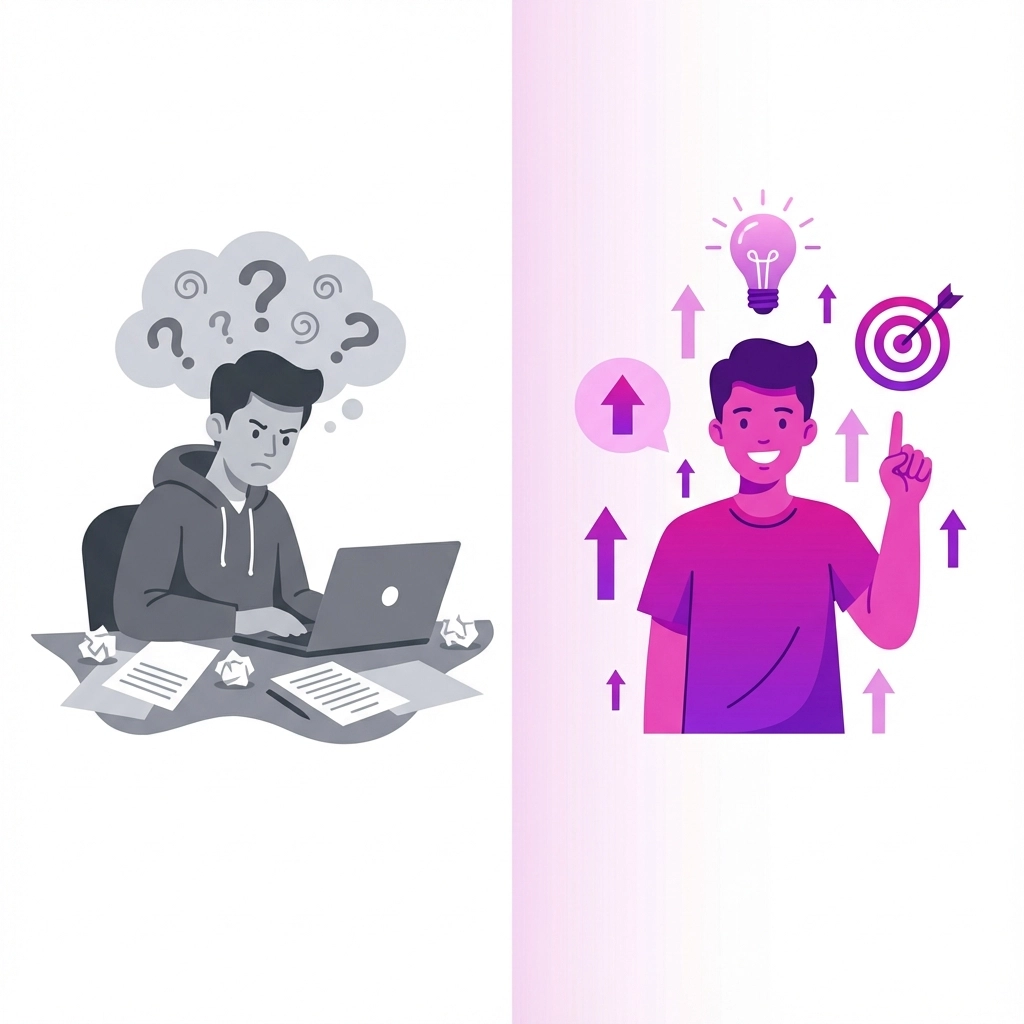
You need to speak directly to their current frustration and paint a picture of their desired future state. Use language that makes them think, "This person gets exactly what I'm going through."
Pain Point Examples:
"Tired of posting on social media with zero results to show for it?"
"Sick of networking events that eat up your evening but don't bring in clients?"
"Frustrated with feast-or-famine months in your business?"
Desire Examples:
"Imagine having a waiting list of ideal clients ready to work with you"
"Picture checking your email to find booking requests instead of promotional clutter"
"What if you could predictably generate 5-10 new leads every week?"
The key is to agitate the pain just enough to create urgency, then immediately offer hope through your solution.
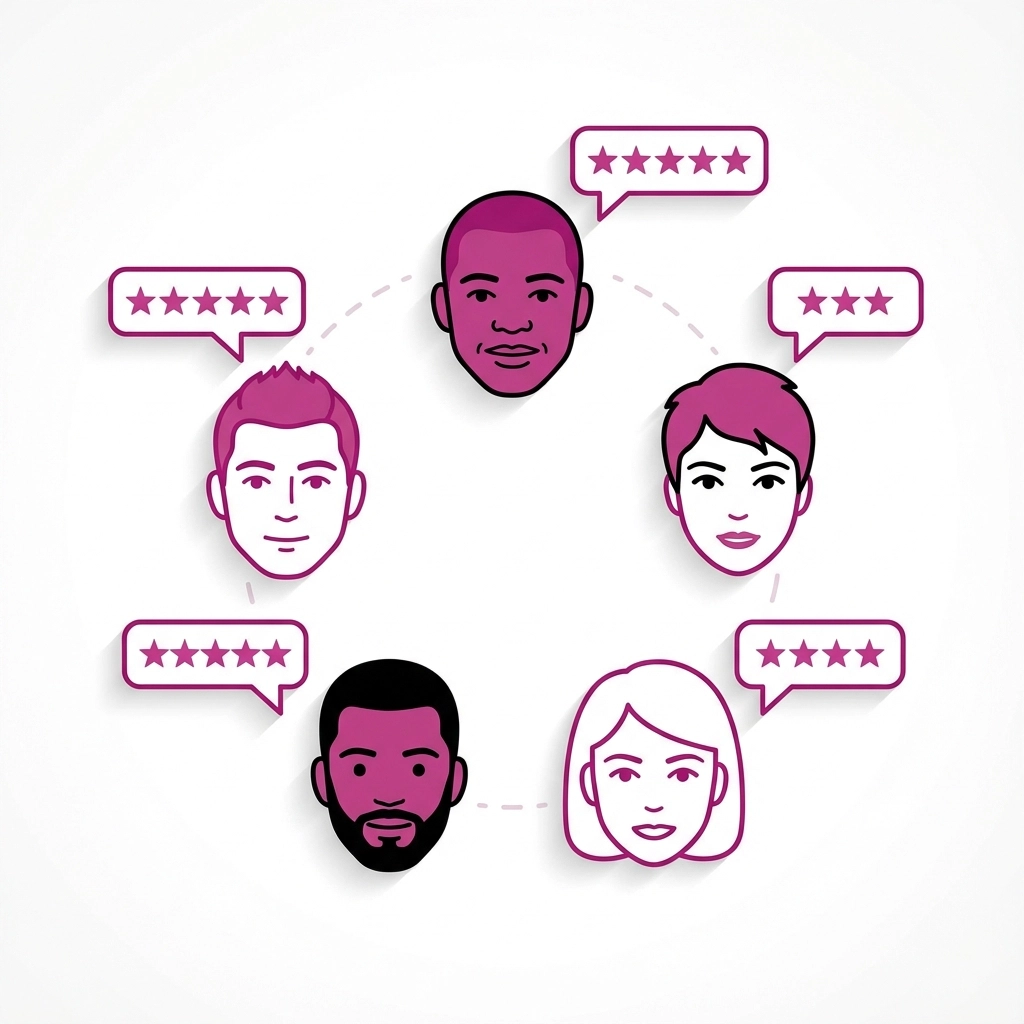
L - Lead with Social Proof (The Trust Factor)
People don't trust businesses anymore. They trust other people who've had good experiences with businesses. Social proof is your secret weapon for building instant credibility with strangers.
But here's what most businesses get wrong - they think social proof means showing 47 five-star Google reviews. While reviews help, the most powerful social proof tells a story.
Powerful Social Proof Elements:
Specific, detailed testimonials that mention the actual result
Before/after case studies with real numbers
Name-drop recognizable clients or publications
Show real faces with real names (no stock photos)
Include video testimonials when possible
Instead of "Great service, highly recommend!" you want testimonials like:
"Before working with SWINC Marketing, I was getting maybe 2-3 inquiries per month. Within 8 weeks of implementing their strategy, I'm now booking 12-15 discovery calls monthly and my revenue has increased by 180%. Sarah walked me through every step and made the whole process simple." - Jennifer K., Business Coach
L - Launch the Perfect Call-to-Action
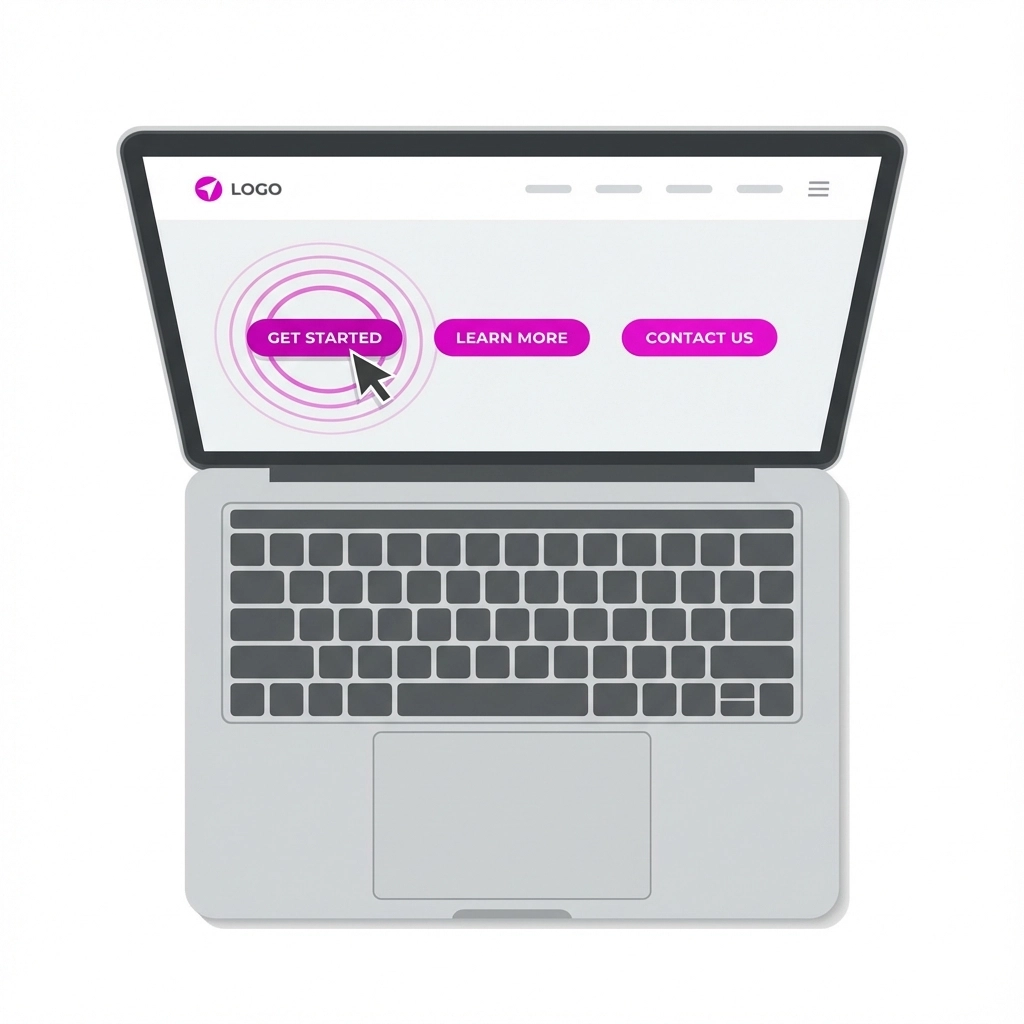
Your call-to-action (CTA) is where the magic happens. This is the bridge between interest and action. But most businesses sabotage themselves with weak, generic CTAs like "Contact Us" or "Learn More."
Your CTA should be:
Action-oriented (start with a verb)
Benefit-focused (what's in it for them?)
Urgency-driven (why now?)
Risk-free (remove barriers)
Weak CTA: "Contact Us"
Strong CTA: "Book Your Free 30-Minute Strategy Call (3 Spots Left This Week)"
The best converting CTAs we've tested include:
"Get Your Custom Marketing Plan (Free)"
"Book Your Revenue Growth Session"
"Claim Your Complimentary Business Audit"
"Schedule Your Breakthrough Call"
Also, your main CTA should appear at least 3 times on your homepage:
Above the fold in your hero section
After your social proof section
At the bottom of the page
The Implementation Blueprint
Now that you understand the framework, here's exactly how to implement it:
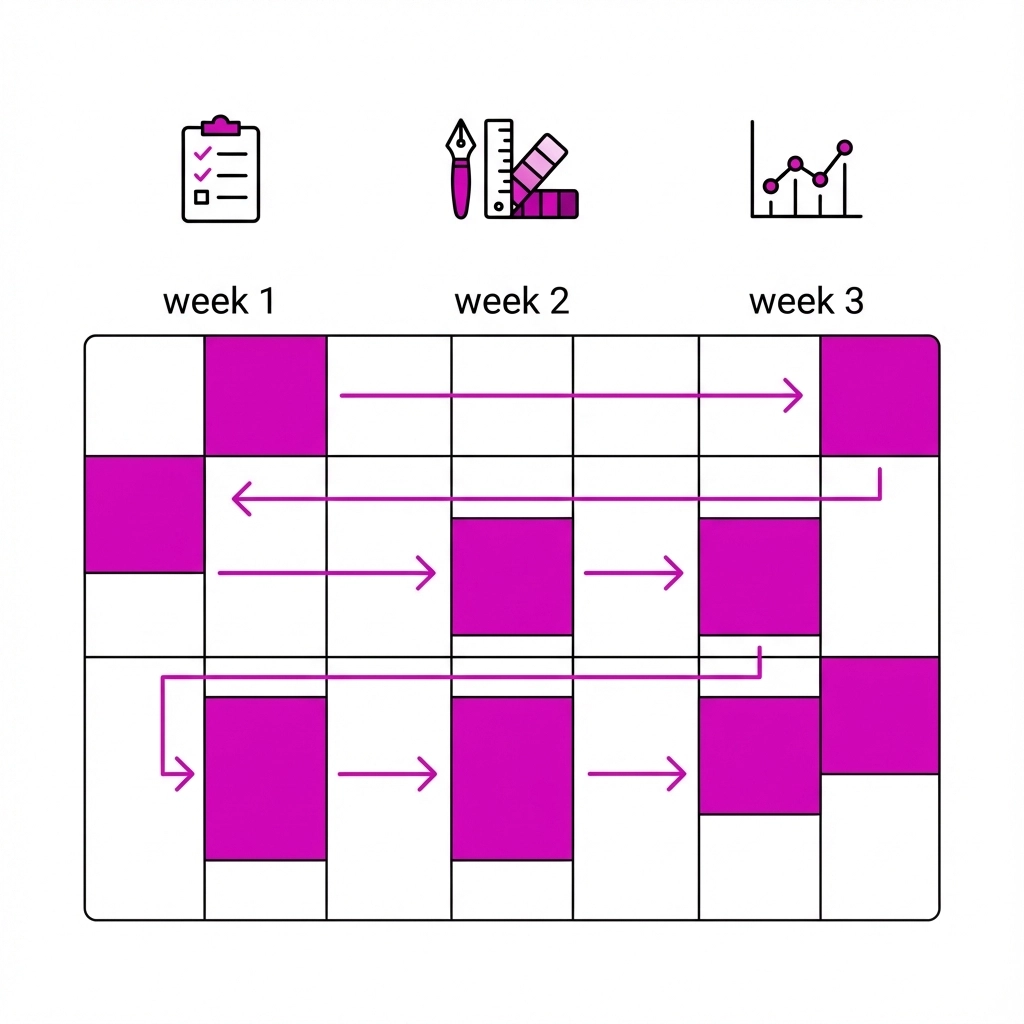
Week 1: Audit and Plan
Review your current homepage against the C.A.L.L. framework
Identify your biggest conversion leaks
Write new copy for each section
Gather social proof materials
Week 2: Design and Build
Update your homepage copy
Add social proof elements
Optimize your CTAs
Set up booking calendar integration
Week 3: Test and Optimize
Monitor conversion rates
A/B test different headlines
Adjust CTA placement and copy
Gather feedback from new leads
The Tools You'll Need (The $350 Breakdown)
Calendly Pro: $10/month for booking integration
Hotjar: $32/month for visitor behavior tracking
Canva Pro: $15/month for creating graphics
Testimonial tool: $25/month for collecting video reviews
Landing page builder: $29/month (if not using your current website)
Email marketing tool: $30/month for lead nurturing
Total monthly investment: Around $141/month, or roughly $350 for the first quarter while you're testing and optimizing.
What Results Should You Expect?
When implemented correctly, the C.A.L.L. Framework typically produces:
2-5x increase in booking requests within 60 days
40-60% improvement in website conversion rates
Higher quality leads (people who book are more serious)
Reduced sales cycle (leads are pre-qualified)
More predictable revenue flow
Remember, this isn't about getting more traffic. It's about being smarter with the traffic you already have. And when you nail this framework, every website visitor becomes a potential client instead of just another number in your analytics.
The difference between businesses that thrive and those that merely survive often comes down to one thing: having a system that predictably turns interest into action. The C.A.L.L. Framework is that system.
Ready to stop letting potential clients slip away? Start with capturing attention, and watch how quickly everything else falls into place.
Comments