
The Cookie Apocalypse is Here: Your Quick-Start Guide to Privacy-First Marketing
- Shalena Ward

- Dec 20, 2025
- 5 min read
Remember when you could track every single click, scroll, and hover across the internet? Those days are officially over. If you've been putting off updating your marketing strategy, hoping the cookie apocalypse would somehow pass you by... well, it's time to face the music.
The good news? You're not alone in this transition. And honestly, once you get the hang of privacy-first marketing, you'll wonder why you didn't make the switch sooner.
What Actually Happened (The Quick Version)
Google finally pulled the plug on third-party cookies earlier this year, and it's been a wild ride ever since. Those little tracking pixels that followed your customers around the web? Gone. The ability to retarget someone who visited your competitor's site last week? Not happening anymore.
But here's the thing – this isn't the marketing apocalypse everyone predicted. It's actually forcing us to get better at what we do. Instead of relying on creepy tracking methods, we're building real relationships with our customers.
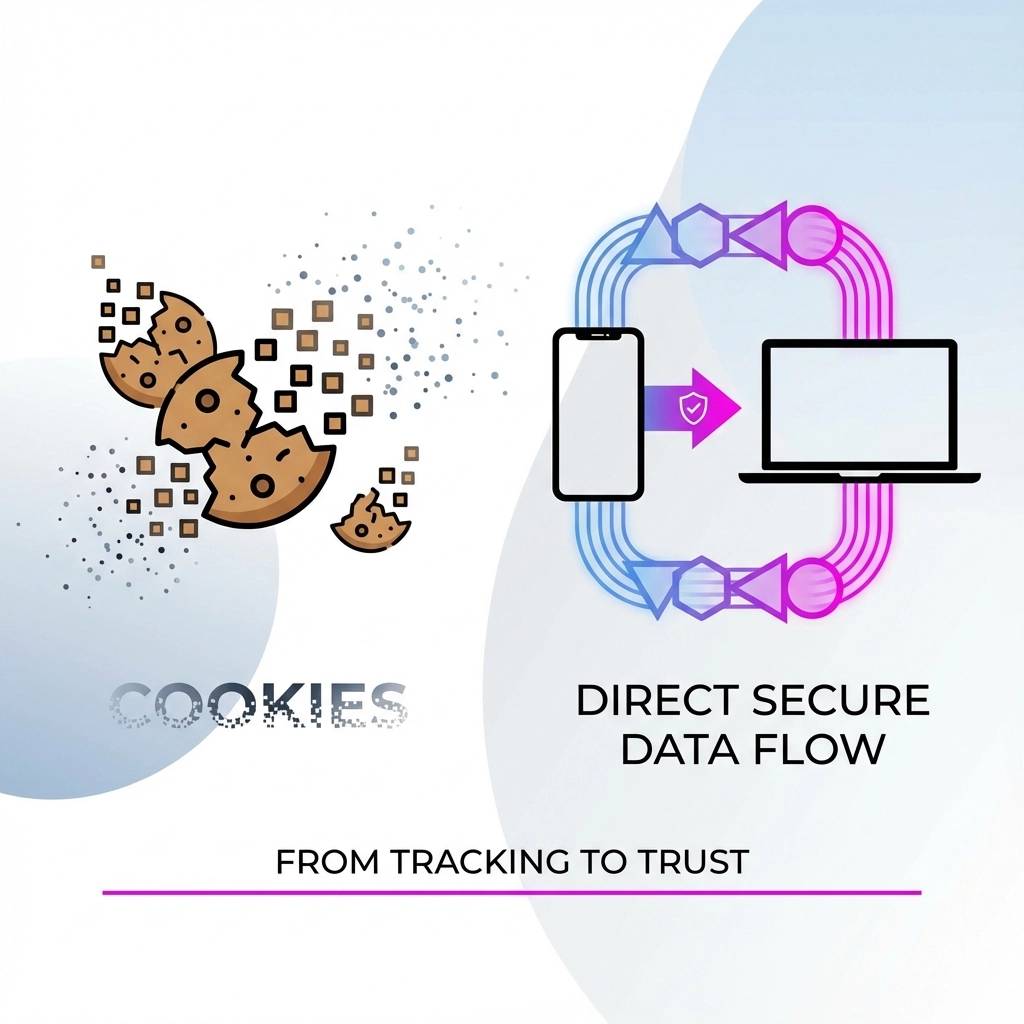
Your New Best Friend: First-Party Data
Let's talk about first-party data – it's basically information your customers willingly share with you. Think email addresses, phone numbers, preferences they tell you about directly. This stuff is marketing gold, and it's completely privacy-friendly.
You've probably been collecting some of this already without realizing it. Every time someone fills out your contact form, subscribes to your newsletter, or creates an account on your website, they're giving you first-party data.
Here's how to supercharge your collection:
Make Your Lead Magnets Irresistible Stop offering generic "10 Tips" PDFs that everyone else has. Create something your audience actually wants. Maybe it's a calculator tool, a personalized assessment, or exclusive access to industry insights. The key is making the trade feel worth it.
Ask Smart Questions at the Right Time Don't overwhelm people with a 20-field form right off the bat. Start small – just email and name. Then, as they engage with your content, ask for more details. "Hey, what's your biggest challenge with X?" or "Which industry are you in?" These feel like conversations, not interrogations.
Use Progressive Profiling This is where you gradually learn more about your contacts over time. Each interaction gives you another piece of the puzzle. Your email platform probably has this feature built-in – use it.
Email Marketing Is Your Secret Weapon
With cookies gone, email marketing has become even more powerful. You own your email list, and you can reach your audience directly without worrying about algorithm changes or privacy updates.
But let's be real – nobody wants another boring newsletter cluttering their inbox. You need to step up your game.
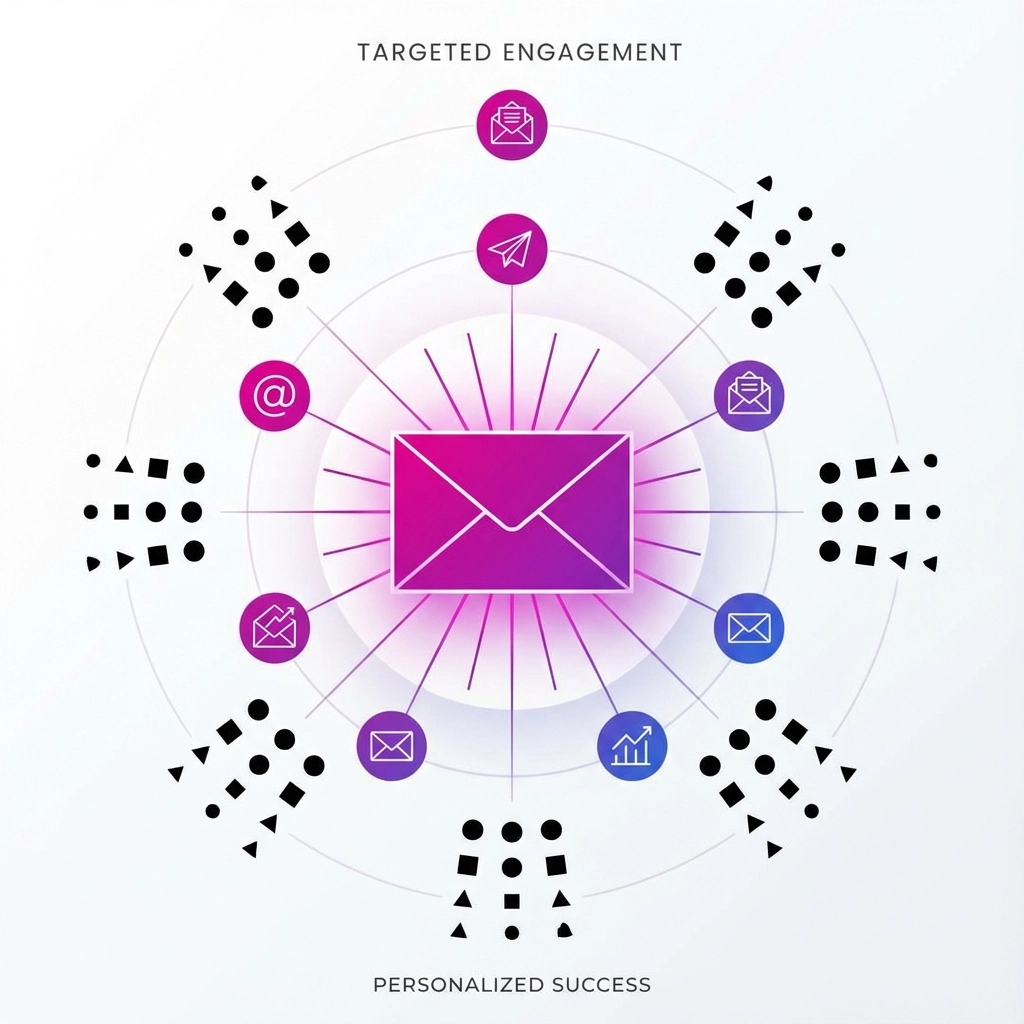
Segment Like Your Business Depends On It Generic blast emails are dead. Use that first-party data you're collecting to create targeted segments. New subscribers get different content than long-time customers. People interested in Service A get different emails than those asking about Service B.
Personalize Beyond "Hey [First Name]" Use what you know about your subscribers to make emails actually relevant. Reference their industry, their challenges, their goals. Show them you're paying attention.
Focus on Value, Not Sales The best marketing emails help first, sell second. Share insights, answer common questions, provide tools your audience can actually use. When you do promote your services, it won't feel pushy because you've already proven your value.
Ethical Lead Generation That Actually Works
Privacy-first marketing isn't just about compliance – it's about building trust. And trust converts better than any sneaky tracking method ever did.
Be Transparent About What You're Collecting Don't hide your data collection behind legal jargon. Tell people plainly what information you're gathering and why. "We'll use your email to send you our weekly marketing tips" is so much better than some vague privacy policy reference.
Give People Control Make it easy for people to update their preferences, pause emails, or unsubscribe completely. Counterintuitively, this actually improves your results because the people who stay are genuinely interested.
Focus on Intent-Based Marketing Instead of trying to track people across the web, focus on capturing them when they're already showing interest. Someone reading your blog post about social media marketing? They might be interested in your social media services. Someone downloading your SEO checklist? Perfect candidate for SEO services.
Practical Steps You Can Take This Week
Feeling overwhelmed? Don't be. You don't need to overhaul everything at once. Here are some quick wins you can implement right now:
Audit Your Current Data Collection Look at every form on your website. Are you asking for information you actually use? Can you make any of them shorter or more appealing? This alone can boost your conversion rates.
Set Up Proper Email Automation Create welcome sequences for new subscribers, follow-up sequences for people who download your lead magnets, and nurture sequences for different customer segments. Your email platform probably has templates – use them.
Start Collecting Feedback Actively Send surveys to your existing customers. Ask what they love, what they hate, what they wish you offered. This gives you incredible insights for future marketing and shows customers you care about their opinions.
Optimize Your Website for Conversions Without cookies, every visitor who leaves without giving you their contact info is gone forever. Make sure your website clearly communicates your value and has multiple opportunities for people to connect with you.
Double Down on Content Marketing High-quality, helpful content attracts people who are already interested in what you do. Blog posts, videos, podcasts – whatever format works for your audience. Focus on answering their real questions and solving their actual problems.
The Tools You Need
You don't need fancy, expensive software to succeed in privacy-first marketing. Most of what you need is probably already available:
Your email marketing platform likely has automation, segmentation, and analytics built-in. Use these features. Google Analytics still works (with some limitations), and it's free. Social media platforms provide their own analytics for content performance.
The key is using what you have consistently rather than constantly searching for the perfect tool.
Looking Forward
Here's the truth: privacy-first marketing is better marketing. When you focus on building real relationships instead of tracking people around the web, you create customers who actually want to buy from you.
Yes, it requires more effort upfront. You can't just set up some retargeting ads and call it a day. But the payoff is worth it – customers who trust you, higher engagement rates, and marketing that actually helps people instead of annoying them.
The cookie apocalypse isn't the end of effective marketing. It's the beginning of marketing that actually works for everyone – businesses and customers alike. And honestly? That's a world I'm excited to be marketing in.
Ready to dive deeper into privacy-first strategies for your business? We're here to help you navigate this new landscape and come out stronger on the other side.
Comments