
The Simple Trick to Get Predictable Leads with Google PPC (Even on a Tight Budget)
- Shalena Ward

- Dec 10, 2025
- 5 min read
You're staring at your Google Ads dashboard again, aren't you? Another $500 spent this month with maybe two decent leads to show for it. Your budget's tight, but you know Google PPC works for other businesses – you've heard the success stories. The problem? You're shooting in the dark without a real system.
Here's the thing everyone gets wrong about Google PPC: they think it's about finding magical keywords or writing the perfect ad copy. Sure, those matter. But there's one simple strategy that's been hiding in plain sight, and it'll change how you think about PPC forever.
The Game-Changing Strategy: Target CPA
The secret weapon you've been overlooking is Target CPA (Cost Per Acquisition). This isn't some complex algorithm you need a PhD to understand. It's actually beautifully simple: you tell Google exactly how much you're willing to pay for each lead, and the platform does the heavy lifting.
Here's how it works. Let's say you know that a lead is worth $100 to your business, and you're comfortable spending $30 to get that lead. You set your Target CPA to $30, and Google's machine learning optimizes your entire campaign around hitting that number. No more guessing, no more overspending on clicks that don't convert.
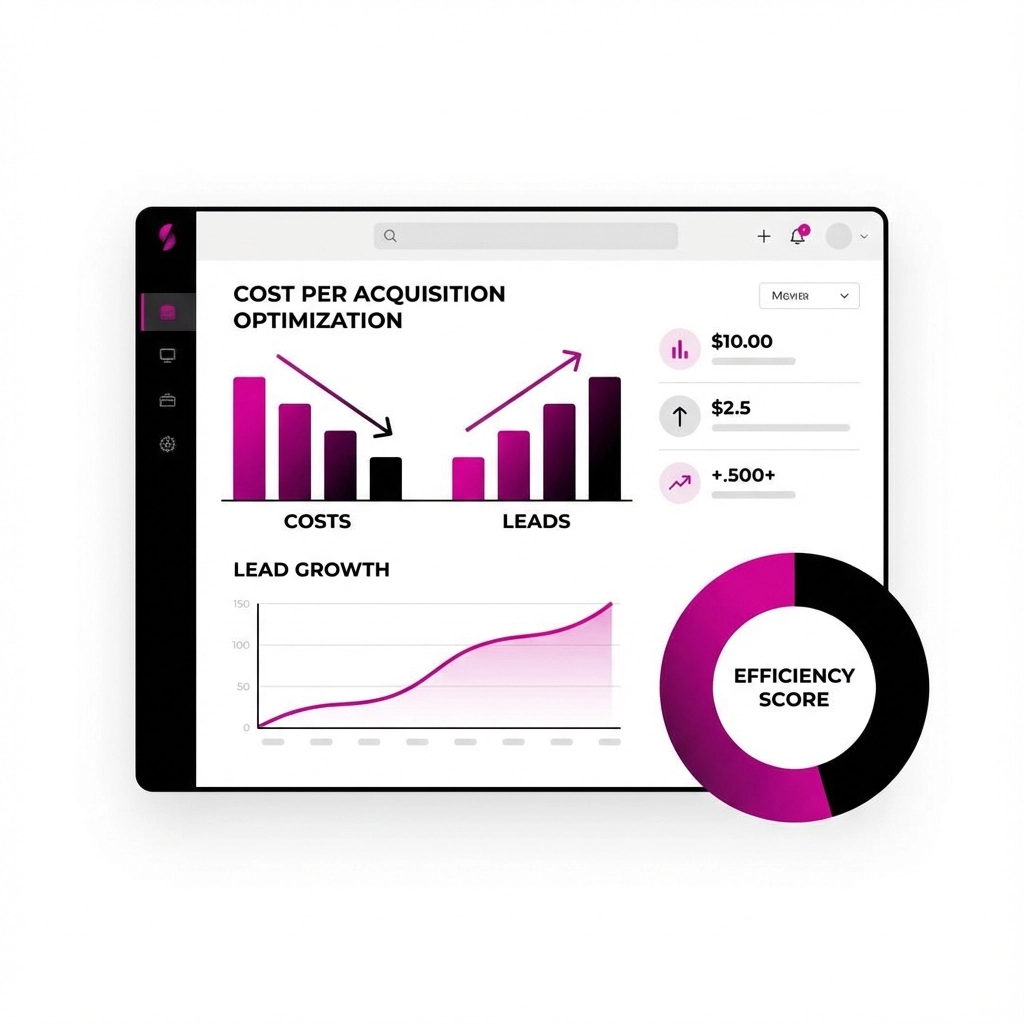
The beauty of Target CPA is that it gives you "much tighter control over your profitability" compared to manually adjusting bids all day. Once you've got some baseline conversion data – typically after running campaigns for 2-3 weeks – you can set this strategy and watch it work.
But here's what most people don't realize: Target CPA only works when you've got the foundation right.
The Foundation That Makes Everything Work
Think of Target CPA as the engine of a car. It's powerful, but it won't get you anywhere without the right foundation. You need three things working together:
High-intent keywords that catch people when they're ready to buy. These aren't generic terms like "marketing" – they're specific phrases like "PPC management for restaurants" or "Google Ads help small business." These keywords cost more per click, but they convert like crazy because people are actively looking for what you offer.
Compelling ad copy that speaks directly to your ideal customer's pain. Skip the fancy corporate language. Instead, try something like: "Tired of Google Ads that eat your budget but don't bring leads? We'll set up a system that only pays for actual customers."
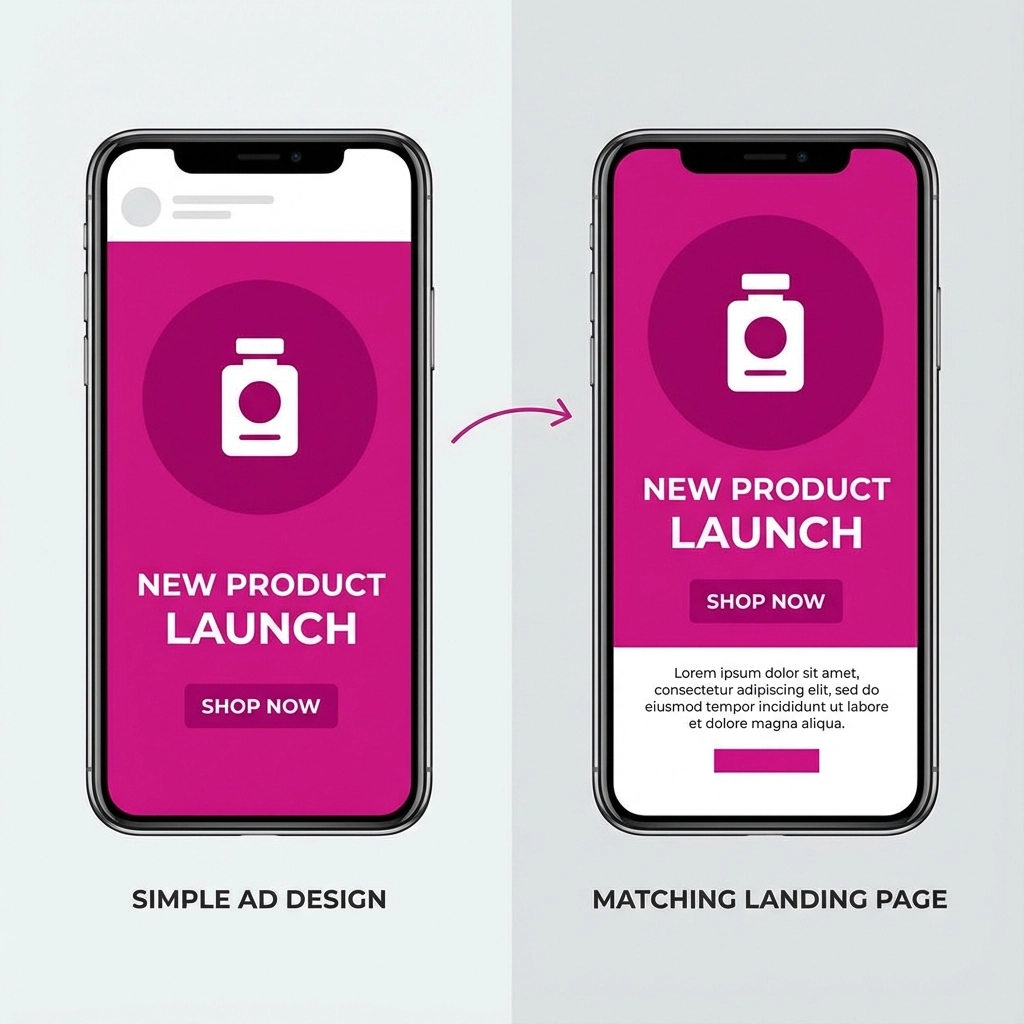
Optimized landing pages with one clear goal. This is where most campaigns die. You send someone to your homepage, and they get overwhelmed with choices. Instead, create a dedicated page that matches your ad promise exactly.
The Message Match Rule
Here's a non-negotiable rule that'll save you hundreds of dollars: your ad and landing page must match perfectly. If your ad says "Free Marketing Audit," your landing page headline better say "Get Your Free Marketing Audit." Don't make people think – make it obvious they're in the right place.
Your call-to-action button matters too. Ditch generic phrases like "Submit" or "Learn More." Use action-driven language that creates urgency: "Get My Free Audit Now" or "Book My Strategy Call Today."
The Budget-Stretching Secret: Remarketing
Now here's where things get really smart. You're going to layer in remarketing to squeeze every ounce of value from your budget. This targets people who visited your website but didn't convert – they already know you exist, so they're warm leads.
A simple remarketing campaign costs a fraction of your main search campaigns but often converts 2-3x better. You're basically getting a second chance with everyone who showed interest but didn't take action the first time.
Set up different remarketing audiences based on behavior. Someone who looked at your pricing page gets a different message than someone who abandoned a contact form. This level of personalization doesn't cost extra, but it dramatically improves your results.
Making Every Dollar Count
When you're working with a tight budget, efficiency isn't optional – it's survival. Here are the adjustments that'll make your money work harder:
Device bid modifiers let you spend more where you get results. If mobile converts better for your business, increase bids on mobile and decrease them on desktop. Most people ignore this setting, but it can improve your ROI by 30-40%.
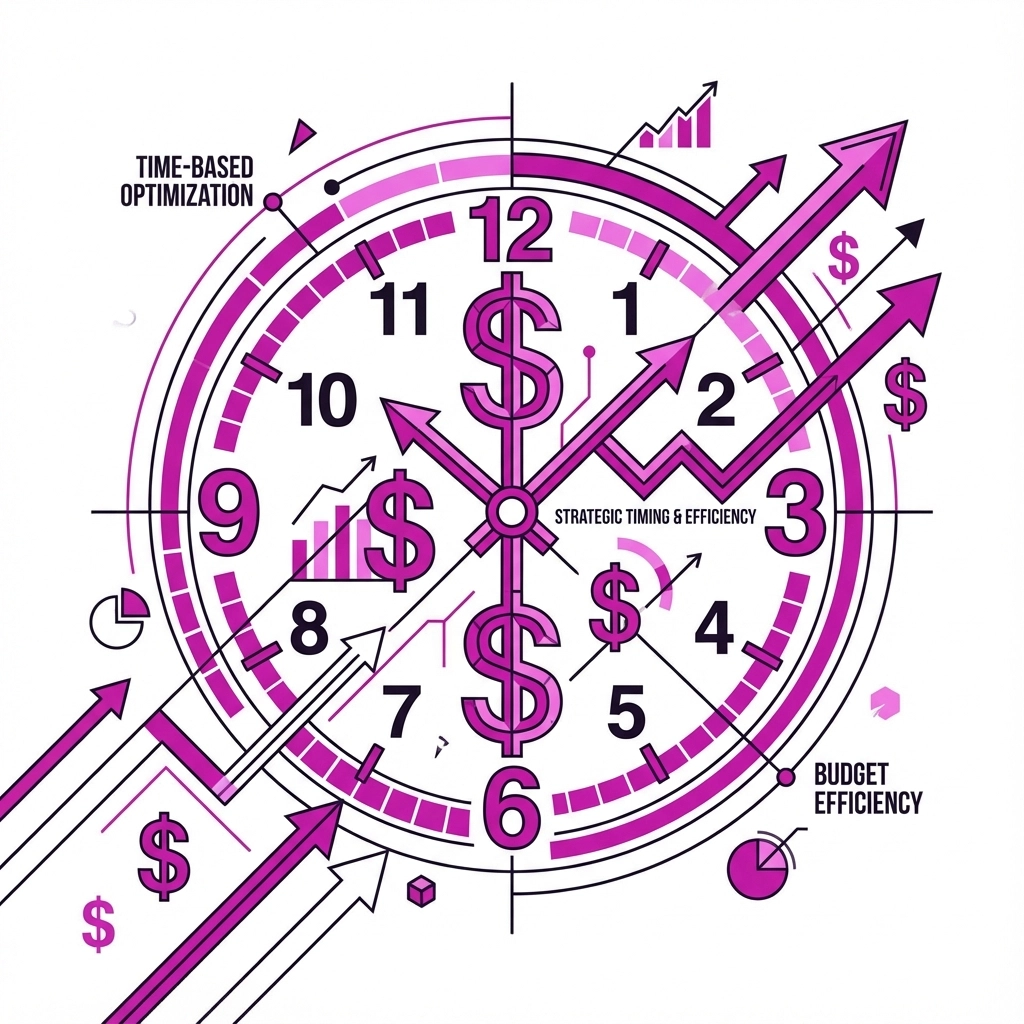
Time-based scheduling is equally powerful. If you're a B2B company, you probably don't need ads running at 2 AM on weekends. Run ads during business hours when your prospects are actively searching, then pause them when conversion rates drop.
The Advanced Move: Customer Match
If you've got an email list (even a small one), Customer Match is a goldmine. Upload your contact list to Google Ads, and you can target ads specifically to people you already know. This eliminates wasted spend on cold traffic and lets you personalize messaging for existing relationships.
This strategy works especially well for B2B companies. Instead of hoping random people will find your ads, you're putting them directly in front of prospects who are already in your pipeline.
Performance Max: Your Scaling Tool
Once your Target CPA campaigns are humming along and generating consistent leads, Performance Max becomes your scaling tool. This campaign type uses Google's entire inventory – Search, Display, YouTube, Gmail – to find more people who look like your best customers.
Start Performance Max after you've got solid conversion data from your search campaigns. It needs that learning foundation to work effectively, but when it works, it can double or triple your lead volume without increasing your cost per lead.
The Timeline Reality Check
Let's be real about expectations. Target CPA isn't magic – it needs time to learn. Your first two weeks will feel frustrating as Google gathers data and tests different approaches. Week three is usually when you start seeing consistency. By month two, you should have a predictable lead generation system.
Don't panic if your first week shows higher costs per lead than you wanted. The algorithm is still learning your audience and optimizing. Stick with it through the learning phase, and you'll be rewarded with consistent, predictable results.

Common Mistakes That Kill Results
The biggest mistake? Setting your Target CPA too low right from the start. If a lead is genuinely worth $100 to your business, don't set your target at $15 hoping to save money. You'll just limit Google's ability to find quality prospects. Start with a realistic target based on your actual lead value, then optimize down once you're getting consistent volume.
Another killer mistake is changing everything too quickly. Pick one variable to test at a time – maybe your ad copy this week, your landing page headline next week. Change everything at once, and you'll never know what actually moved the needle.
Making It Work for Your Business
The beauty of this system is that it scales with your budget. Whether you're spending $500 per month or $5,000, Target CPA keeps your costs predictable while remarketing maximizes every dollar.
Start with search campaigns targeting your highest-intent keywords. Get those converting consistently with Target CPA. Layer in remarketing to capture missed opportunities. Once that foundation is solid, add Performance Max to scale up.
Your Google PPC campaigns don't have to be a money pit. With Target CPA as your foundation and these supporting strategies, you can build a lead generation system that works predictably, even when your budget is tight.
Ready to stop gambling with your ad spend and start building a system that actually works? The tools are all there waiting for you – you just need to put them together the right way.
Comments