
The Small Business Owner's Guide to First-Party Data: Boost Your Lead Flow Without Breaking Privacy Laws
- Shalena Ward

- Jan 17
- 5 min read
You've probably heard the buzz. Third-party cookies are dying. Privacy laws are tightening. And somewhere in the back of your mind, you're wondering, how am I supposed to get leads now?
Here's the thing. You don't need to panic. You don't need to hire a data scientist. And you definitely don't need to break any rules to keep your lead flow strong.
The answer? First-party data. It's the goldmine you're already sitting on, and most small business owners don't even realize it.
Let's break it down together.
What Even Is First-Party Data?
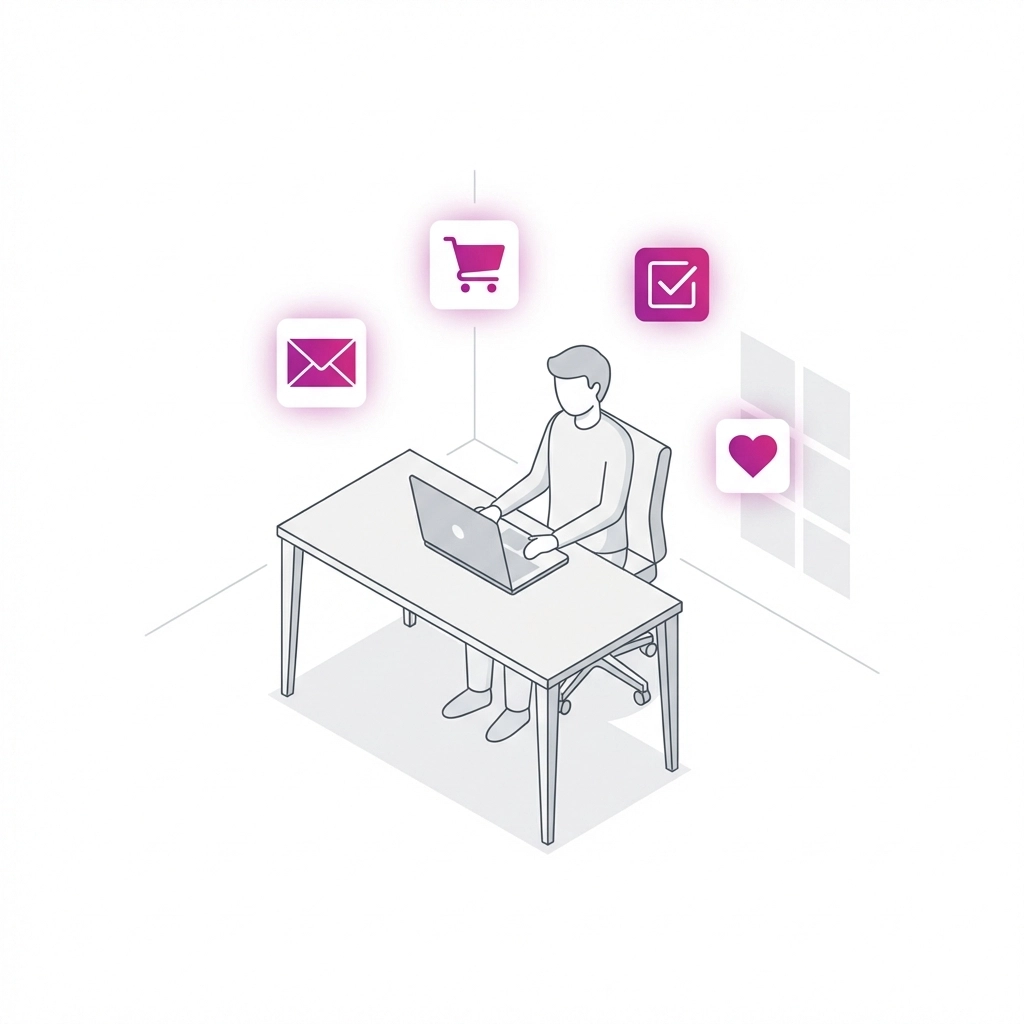
First-party data is simply the information you collect directly from your customers and prospects through your own channels. We're talking about your website, your email list, your CRM, your social media, your checkout process, anything you own and control.
Think about it:
When someone fills out a form on your website? That's first-party data.
When a customer makes a purchase and you save their email? First-party data.
When someone clicks a link in your newsletter? Yep, first-party data.
It's not creepy. It's not invasive. It's information people willingly give you because they want to hear from you. And that's what makes it so powerful.
Why First-Party Data Is Your New Best Friend
Here's why you should care about this stuff in 2026:
It's privacy-compliant by nature. When you collect data directly from people who've opted in, you're already ahead of the game. No shady tracking. No legal gray areas. Just straightforward, transparent data collection.
It builds trust. People are more skeptical than ever about how their information gets used. When you're upfront about what you're collecting and why, you actually strengthen your relationship with customers. Trust equals loyalty. Loyalty equals repeat business.
It's more accurate. Third-party data comes from who-knows-where and often gets outdated fast. First-party data? It comes straight from the source. Your customers. Your prospects. Real people who actually interact with your brand.
It gives you a competitive edge. While bigger companies scramble to adapt to new privacy regulations, you can move fast and build a solid first-party data strategy that keeps your leads flowing.
How to Collect First-Party Data (Without Being Weird About It)
Alright, let's get practical. You're probably already collecting some first-party data without even thinking about it. But there's a smarter way to do this.
Start With What You've Got
Take a quick inventory. What data are you already collecting?
Website analytics (page views, clicks, time on site)
Email sign-ups and engagement (opens, clicks, preferences)
Purchase history
Customer service interactions
Social media engagement
Form submissions
You might be surprised how much you already have. The trick is organizing it and actually using it.
Create Value Exchanges
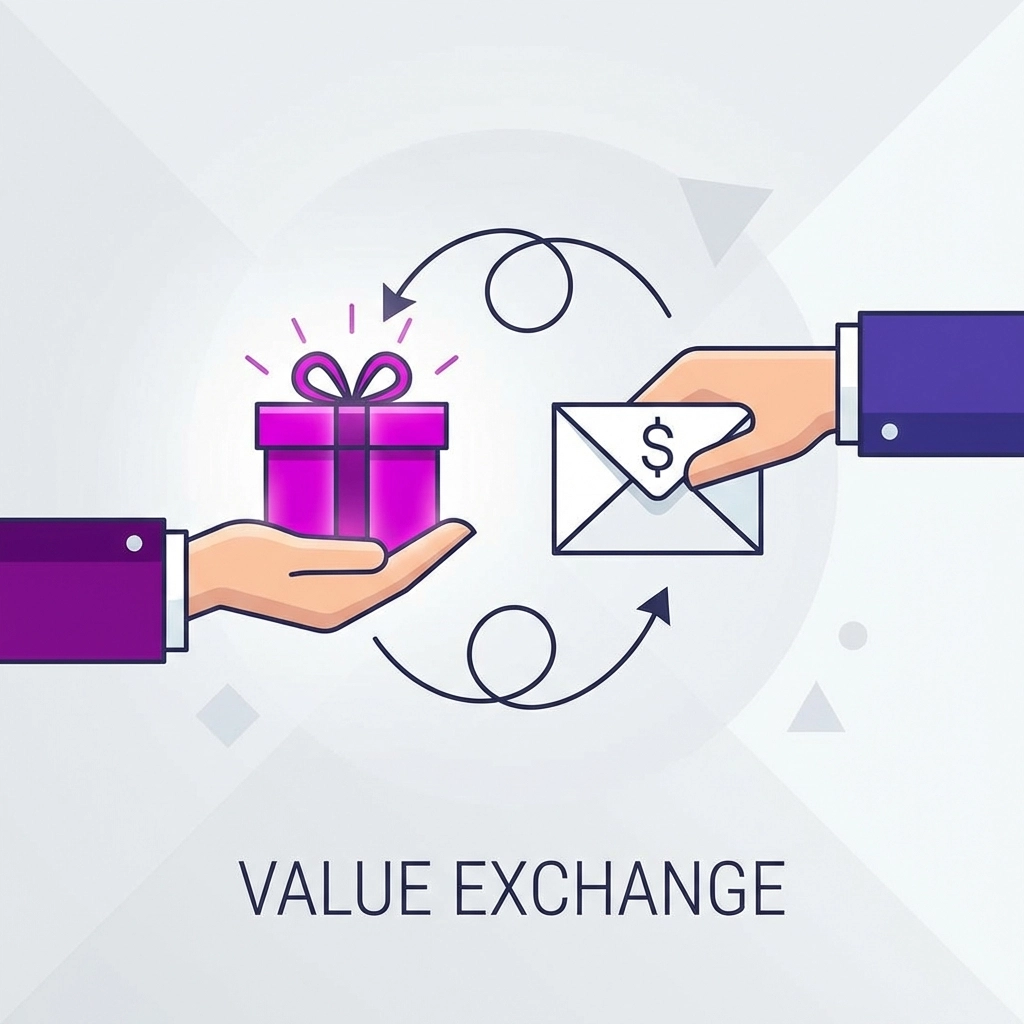
Here's the golden rule: if you want data, give something in return.
Nobody wants to hand over their email for nothing. But a free guide? A discount code? Early access to something cool? Now we're talking.
Think about what your audience actually wants and offer it in exchange for their information. It's not manipulation, it's a fair trade. And when people feel like they're getting value, they're way more likely to engage.
Be Transparent (Seriously)
This one's non-negotiable. Tell people exactly what you're collecting, how you'll use it, and how you'll keep it safe.
A simple, clear privacy notice goes a long way. No legal jargon. No buried fine print. Just honest communication.
Something like: "We'll use your email to send you weekly marketing tips and occasional offers. We never share your info with third parties. Unsubscribe anytime."
See? Easy. And it builds trust immediately.
Ask at the Right Time
Timing matters. Don't hit someone with a popup the second they land on your site. That's annoying.
Instead, wait until they've shown some interest. Maybe they've read a blog post or browsed your services page. That's when you ask. It feels natural, not pushy.
Gradual permission requests work better too. Start small, just an email. Then later, maybe preferences or additional details. You're building a relationship, not rushing to the altar.
Turning First-Party Data Into Lead Flow
Okay, so you've got data. Now what? Here's where the magic happens.
Build Customer Profiles
Use your first-party data to understand who actually buys from you. What do they have in common? What pages did they visit before converting? What emails did they open?
This helps you build ideal customer profiles. And once you know who your best customers are, you can find more people just like them.
Map the Customer Journey
Think about all the touchpoints someone goes through before becoming a customer. Awareness, consideration, decision. Each stage is an opportunity to collect data and personalize your approach.
When you understand the journey, you can meet people where they are with the right message at the right time. That's how you turn cold traffic into warm leads.

Segment Your Audience
Not everyone on your list wants the same thing. Some are ready to buy. Some are just curious. Some haven't engaged in months.
Use your data to segment these groups and tailor your messaging. Personalized emails get higher open rates. Targeted offers convert better. It's simple math.
Track What Works
Your email platform probably shows you who opens, who clicks, and who bounces. Pay attention to this stuff.
Which subject lines get opens? Which content gets clicks? When are people most active? This is your live feedback loop. Use it to refine your strategy and double down on what's working.
Practical First Steps You Can Take Today
Feeling a little overwhelmed? Don't be. Start small.
Set up basic email tracking. Most email platforms do this automatically. Start paying attention to your open rates and click-through rates. Notice patterns.
Add a simple onboarding questionnaire. When someone signs up or makes a purchase, ask them a quick question or two. What are they hoping to achieve? What brought them here? This helps you personalize their experience from day one.
Run an NPS survey. Net Promoter Score surveys are quick and powerful. Ask customers how likely they are to recommend you. Promoters become advocates. Detractors tell you where to improve.
Clean up your data. Old, messy data doesn't help anyone. Take some time to organize what you have, remove duplicates, and make sure your team knows how to use it.
The Bottom Line
First-party data isn't just a workaround for stricter privacy laws. It's actually a better way to do marketing. Period.
You get higher-quality leads. You build stronger relationships. You stay compliant without even trying. And you create experiences that feel personal: not creepy.
The best part? You don't need a massive budget or a tech team to make this work. You just need to be intentional about what you're collecting and how you're using it.
So take a look at what you've got. Start small. Build from there.
Your lead flow will thank you.
Need help building a first-party data strategy that actually works for your business? Check out our services or explore more marketing tips on our blog. We're here to help you grow( the right way.)
Comments